
How Do I Choose Everyday Essentials Without Overbuying?
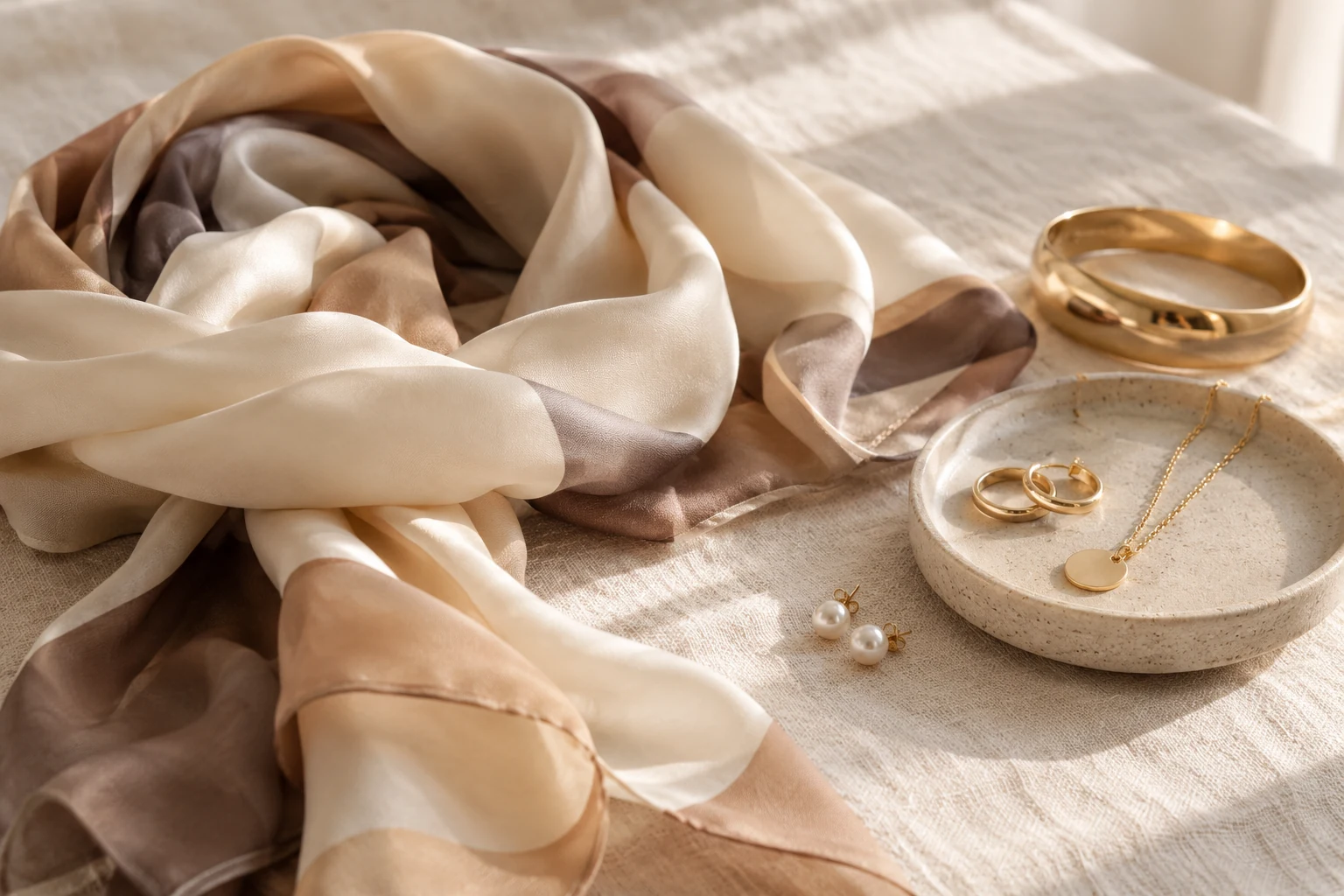
I can fill a basket while trying to make life simpler. Similar pieces then compete for space, and I still have the original problem.
I choose an everyday essential by naming the task it should serve, checking what I already own and comparing a small number of suitable options. I read fit, materials, care and purchase terms before buying. I wait when I cannot explain what the new item adds.
I do not need a strict limit on everything I own. I need a clearer connection between the choices I make and the routine I actually live. I use that connection to make the comparison smaller and more useful.
What problem am I trying to solve with the purchase?
I can start with a product and invent a need later. A specific problem helps me avoid buying an answer to a question I never had.
I name one practical task or repeated difficulty before browsing. I describe when it happens and what a useful change would look like. I keep the purchase optional when the problem can be solved with an item or habit I already have.
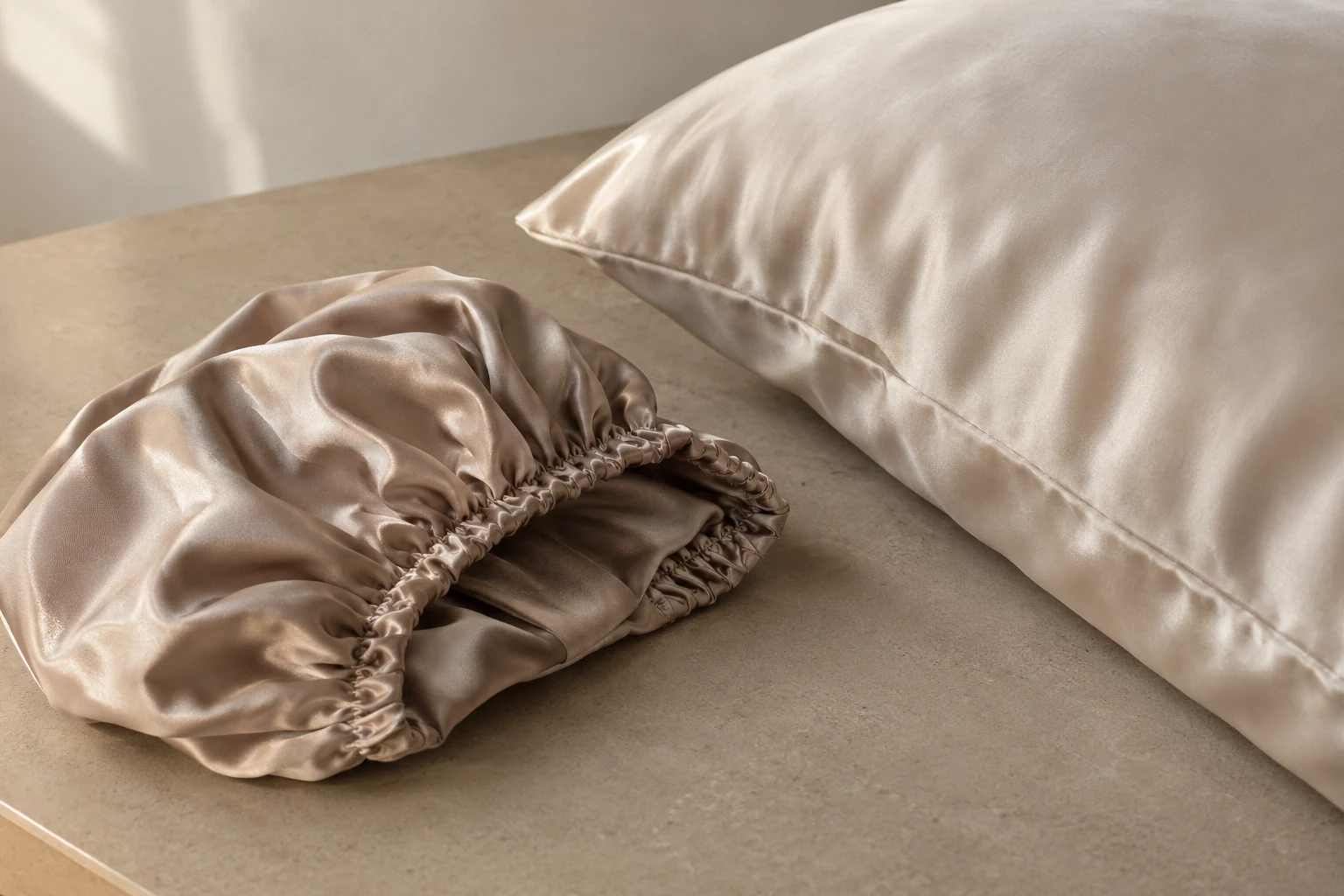
I describe the moment in plain words
I might say that my necklaces mix together when I travel. I might say that my current bonnet feels tight at the opening. I might say that I want one necklace that sits clearly above a familiar shirt neckline. Each statement gives me a real moment to investigate and a detail I can compare.
I avoid broad descriptions such as needing a better lifestyle. That phrase leaves almost any product looking relevant. I can make the task smaller by naming the item, the setting and the difficulty. I then ask what observation would show that the problem has improved. Separate chains, a comfortable opening or a useful resting point gives me a clearer target.
I test whether buying is necessary
I check whether a change in use would help. I can separate existing necklaces in suitable pouches. I can compare the available adjustment on a bonnet without tightening through pain. I can try a necklace with another top before deciding that I need a different length. I stop the experiment when the item is damaged or uncomfortable.
| Problem I identify | First thing I check |
|---|---|
| Loose chains mix in a bag | I check existing separate storage |
| A bonnet feels tight | I check fit and stop if it hurts |
| A pendant sits on a clothing edge | I compare its available length settings |
I use the Journal to find a focused guide for the problem. I let that guide help me ask a better question before I choose another object.
How do I check what I already own?
I can forget a useful piece at the back of a drawer. A quick review gives me a better comparison than another long browsing session.
I look at the items that serve the same task and note why I use or avoid each one. I check condition, fit and care information. I compare the new option with the actual gap, rather than with a vague wish for more choice.
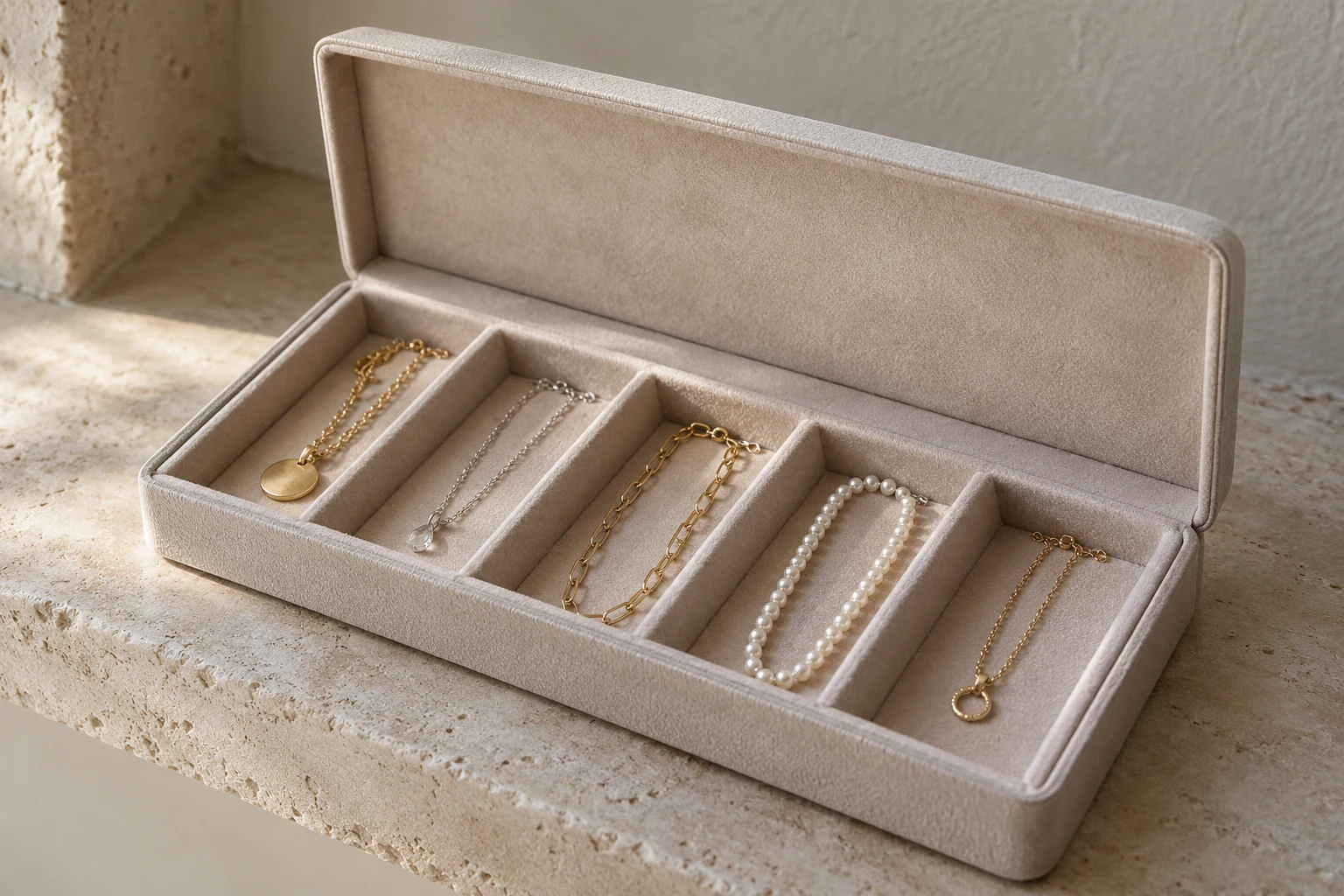
I look for the reason an item stays unused
I gather only the relevant pieces rather than sorting everything I own. I might look at necklaces when I am considering a new daily necklace. I might look at hair coverings when I am considering a bonnet. I check which item I use and which one I leave aside. I then describe the reason in practical terms.
I may find that a necklace has the wrong resting point for my common tops. I may find that a bonnet has enough crown room but an uncomfortable closure position. I may find that a useful item simply has no clear storage place. These are different problems. Buying a duplicate without noticing the cause may repeat the same difficulty.
I keep replacement separate from collecting
I can choose a replacement when an item is worn, damaged or no longer meets the task. I do not need to pretend that every new purchase is a replacement. I can also choose an additional piece for personal enjoyment, but I want to make that choice clearly. A style preference and a practical need can both matter without being the same thing.
I use the everyday-piece guide to think about purpose and repeated use. I record one or two useful observations from the review. I might need a clearer material description, a different closure or a length that works alone. Those observations become the comparison criteria for the next step, so I do not lose them among product photographs.
Which details should I compare before ordering?
I can compare prices while missing the feature that determines fit. A short list of relevant details makes the choice more useful than a long list of products.
I compare the details that answer my task: measurements, construction, materials, care and total purchase terms. I ask about missing information before buying. I use photos to understand shape, and I avoid treating them as proof of composition or personal fit.
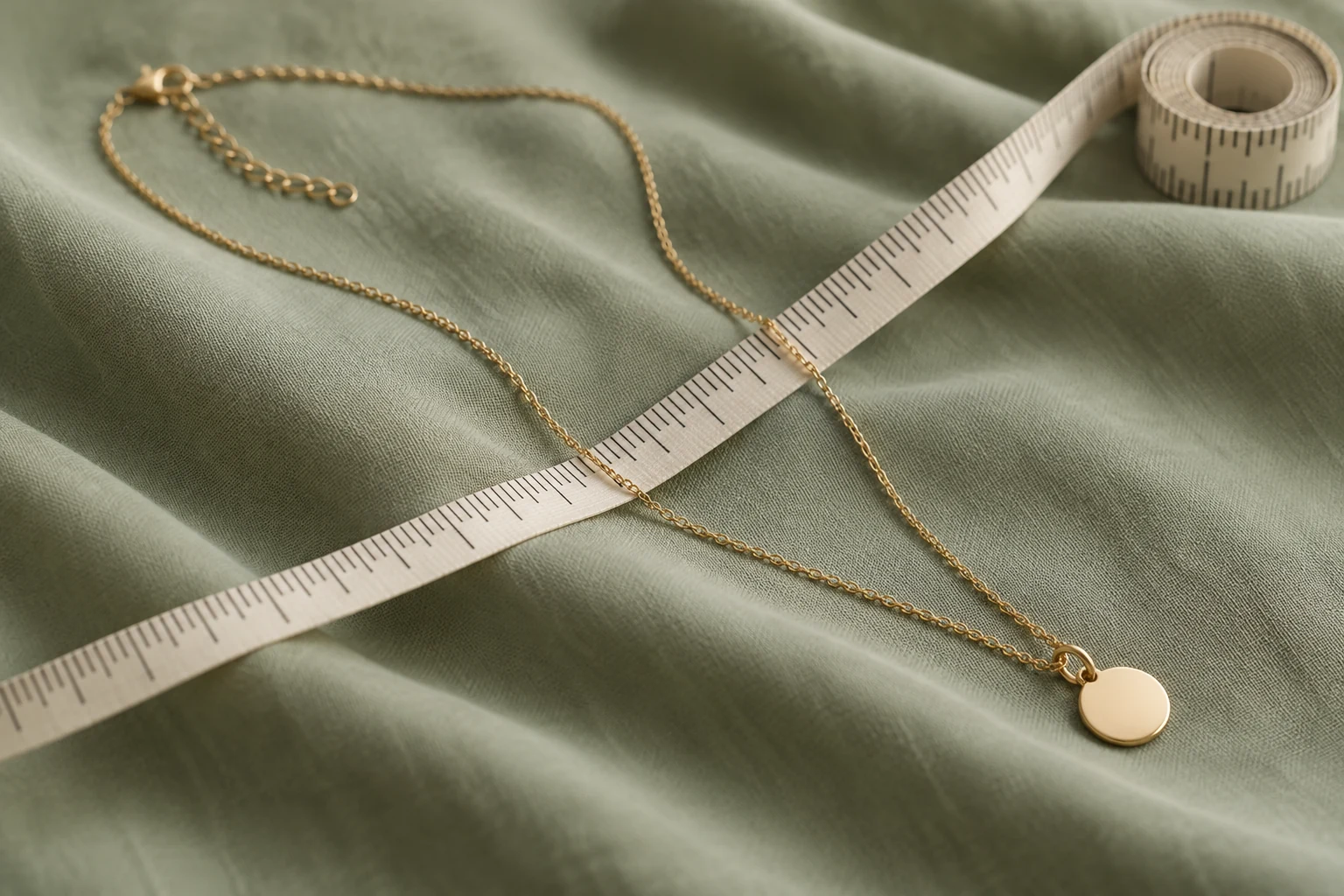
I use the same questions for each option
I choose a small number of plausible items and compare them side by side. I use the same measurement method for each. I separate a bonnet's opening from its crown space. I separate a necklace's base length from its extender and pendant dimensions. I note unclear information rather than filling the gap with an assumption.
I read the material statement and care instructions next. I do not infer silk content from a smooth surface. I do not infer solid gold from a gold-tone finish. I ask a specific question when the listing is incomplete. GIA's material-specific jewelry care advice reminds me why a construction detail matters after purchase.1
I include the terms in the comparison
I read delivery and return information before ordering. I compare the total cost and any relevant conditions rather than looking only at the item price. The FTC's online shopping guide recommends checking these details and keeping records.2 I use that advice to make the decision clearer, without assuming a general guide describes the terms of every store.
| My comparison | What I write down |
|---|---|
| Fit and construction | I note the measurements that answer my task |
| Materials and care | I note the specific statements and limits |
| Purchase terms | I note cost, delivery and return conditions |
I remove an option when it cannot answer an important question. A shorter comparison helps me focus on suitability instead of treating the largest number of choices as an advantage.
When should I wait instead of adding another item?
I can use a discount or a trend as a reason to rush. The urgency fades quickly when I cannot identify a useful role for the purchase.
I wait when the purpose is unclear, important details are missing or I already have a suitable item. I return to the decision when I have a specific question to answer. I do not need to buy a second version simply because choosing feels difficult.
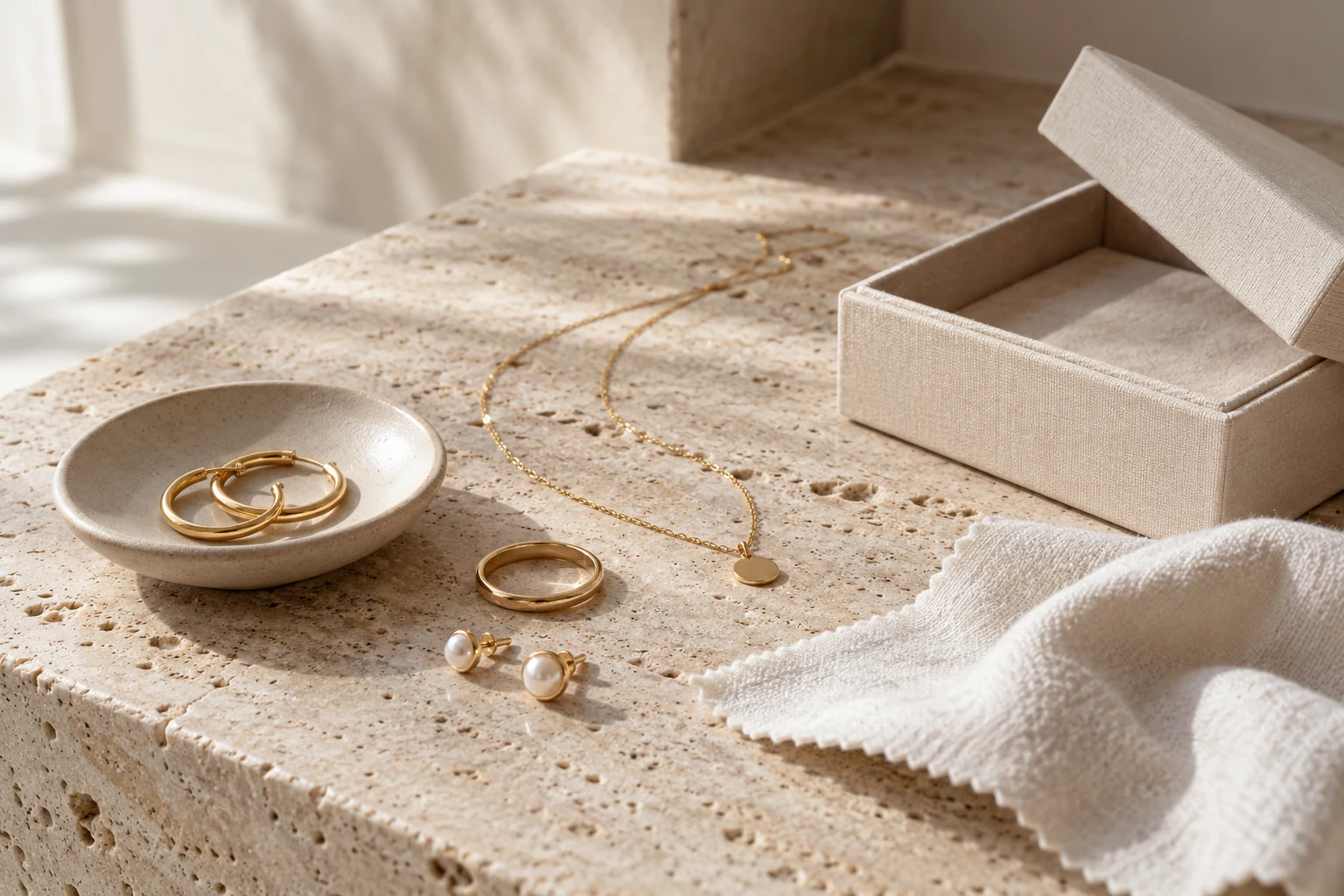
I distinguish uncertainty from a need
I ask what is preventing the decision. I may need a measurement from the seller. I may need to compare the color with my clothes. I may need to try a storage change with existing items. These are useful next steps. They do not require me to buy several options before I understand the problem.
I also notice when the uncertainty comes from having no clear task. In that case, I can leave the item aside. I do not need to manufacture a reason to buy it. I can enjoy browsing or appreciate a design without turning that interest into an order. A later decision can be better informed when I know where the piece would belong.
I use the next purchase to answer a real gap
I return to the selection approach when I want a simple reference for purpose and everyday use. I keep my own fit and care needs beside that reference. I choose when an item has a clear role and the details support that role. I do not expect a brand idea to answer every product-specific question.
After I receive an item, I check it against the description and my intended use. I follow the care and return instructions. I note what worked for the next decision. This gives me a practical way to choose fewer overlapping pieces while leaving room for personal style and occasional enjoyment.
Conclusion
I choose everyday essentials through a real task, an existing-item check and clear product details. I wait when the role is unclear and buy when the fit makes sense.
- GIA: Tips for Caring for Your Jewelry, a material-specific care reference. ↩
- FTC: Online Shopping, guidance on comparisons, purchase terms and records. ↩
Images are AI-generated editorial illustrations. They do not identify or verify a specific product.