
What Care Instructions Should I Include With an Accessory Gift?

I can wrap an accessory beautifully and leave its care details behind. The recipient then has to guess how to use and store it.
I include the exact product and option, the maker's current care instructions, a clear storage note and a way to ask questions. I keep private order details separate. I avoid adding generic cleaning recipes or promises about returns, durability or results that the seller has not made.
I write the Zolay Nights Journal to make everyday choices clearer. This guide starts after I have chosen a gift. I focus on the information I hand over with it, rather than repeat a general gift-buying checklist.
How do I identify the exact item on my care note?
I can write silk bonnet or necklace and think I have named the gift. Those words can leave the recipient without the right instructions.
I record the actual product name and selected option, then keep the maker's identifying information with the gift. I distinguish material, finish and construction. I use the item's own description and label rather than infer a composition from color, shine or a similar online photograph.
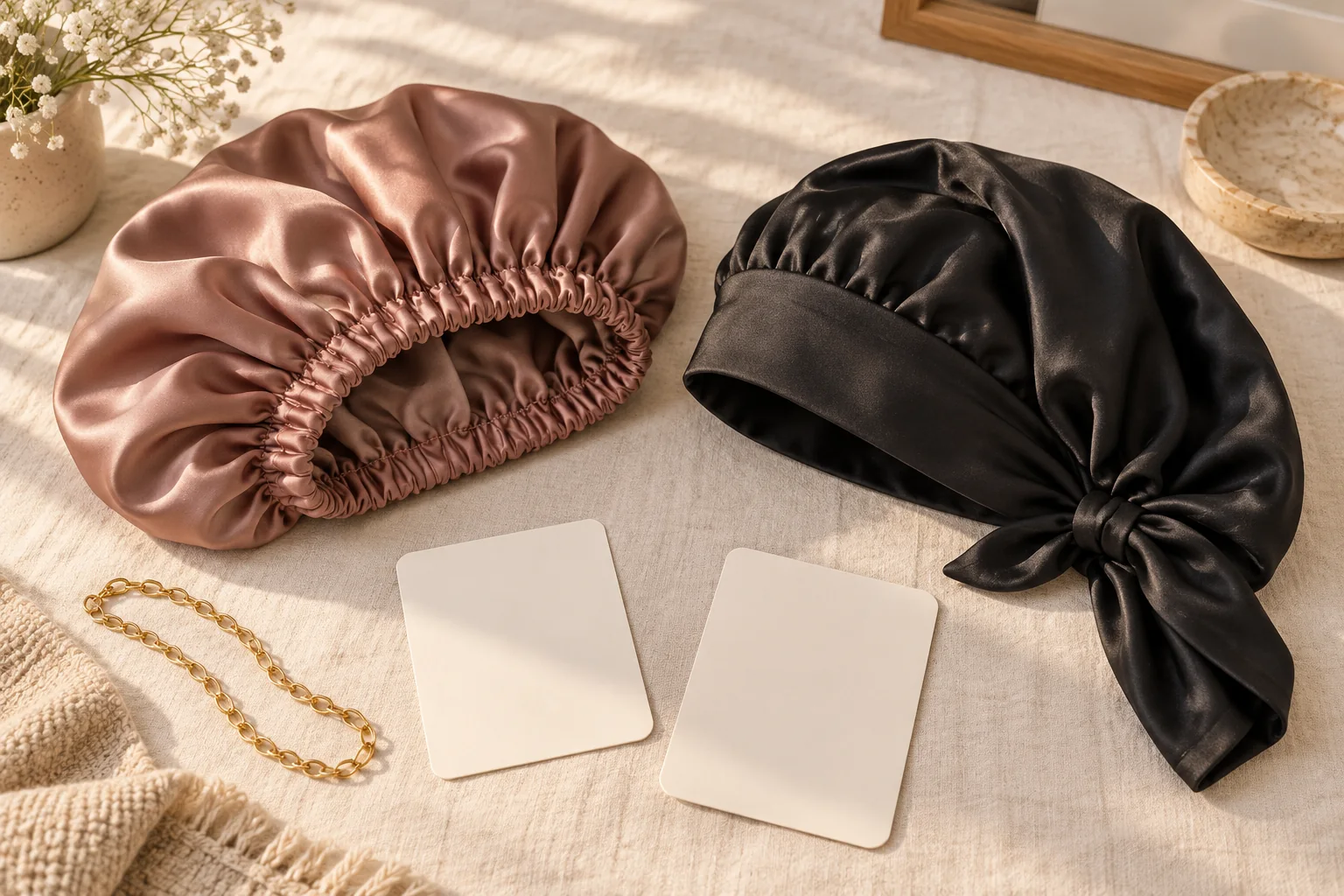
I make the note specific enough to use
I start with the item's name on the order record. I add the selected style, color or numbered option when that changes what the recipient receives. I do not list every choice in the collection. I want one clear route back to the actual item, especially when a product page contains several different shapes.
I record only the material details that the seller supplies. I distinguish a stated stainless steel base from a gold-tone finish. I also distinguish a silk exterior from the layer that touches the hair. I do not fill a gap with a confident guess. I can write that a detail needs confirmation and keep the seller's contact route nearby.
| Detail I record | Reason I keep it |
|---|---|
| Exact product name | I can find the correct guide |
| Selected option | I can distinguish similar pieces |
| Supplied care label | I can keep the item's own limits |
I leave the original care information attached or enclosed where practical. I do not remove a label merely to make the packaging look cleaner. I keep a digital copy of useful instructions if the maker supplies one. I also keep the source and date with my note so I can tell whether I copied an older page.
I use the FTC's online-shopping advice as context for checking purchase details and the seller's stated policies.1 I do not turn that guidance into a promise that every seller gives the same gift receipt or return terms. My care note describes the item I chose, while the order record supports a separate purchase question.
Which instructions should I copy rather than rewrite?
I can shorten a care guide and accidentally lose its main limit. A tidy note should still preserve what the maker actually said.
I retain the maker's essential care limits and point to the full instructions. I explain unfamiliar terms only after checking their meaning. I do not turn a conditional method into a universal rule or add a process that the finished item's instructions do not allow.
I keep the source close to the instruction
I read the original directions before making my note. I notice whether the maker distinguishes washing, drying, ironing and storage. I also look for a separate instruction for an added part, such as an absorbent lining, slider or stone. I do not merge those details into one vague sentence about gentle care.
I choose the parts the recipient needs for ordinary use. I can keep the full leaflet and add a short reminder about where it is stored. I do not need to rewrite the whole document in my own words. If I make a shorter note, I compare it with the source before I place it in the package.
I use GINETEX's care-symbol explanations to understand the textile processes shown by the maker's label.2 I do not decide an ironing temperature from the fiber name alone. I also do not claim that a symbol on one garment sets the method for another item. The finished accessory's own instructions remain the useful reference.
I treat uncertainty as something to resolve, rather than an empty space to decorate. If the label is missing or the listing is unclear, I ask a precise question before I give the gift. I can ask whether a stated method applies to all parts of the chosen option. I avoid passing my unanswered question to the recipient as a confident rule.
I include the Materials & Care guide as a useful starting point. I keep that link separate from the item's specific leaflet. A general guide can explain a term, while the maker's directions define the actual care limits.
What should I say about everyday handling and storage?
I can give a cleaning note and overlook what happens between uses. A useful handover also explains where the item belongs after use.
I include the maker's storage and handling directions in plain language. I keep textile and jewelry instructions separate. I do not suggest soaking, polishing, heat or a home repair unless the actual item permits it, and I avoid presenting a storage pouch as guaranteed protection.
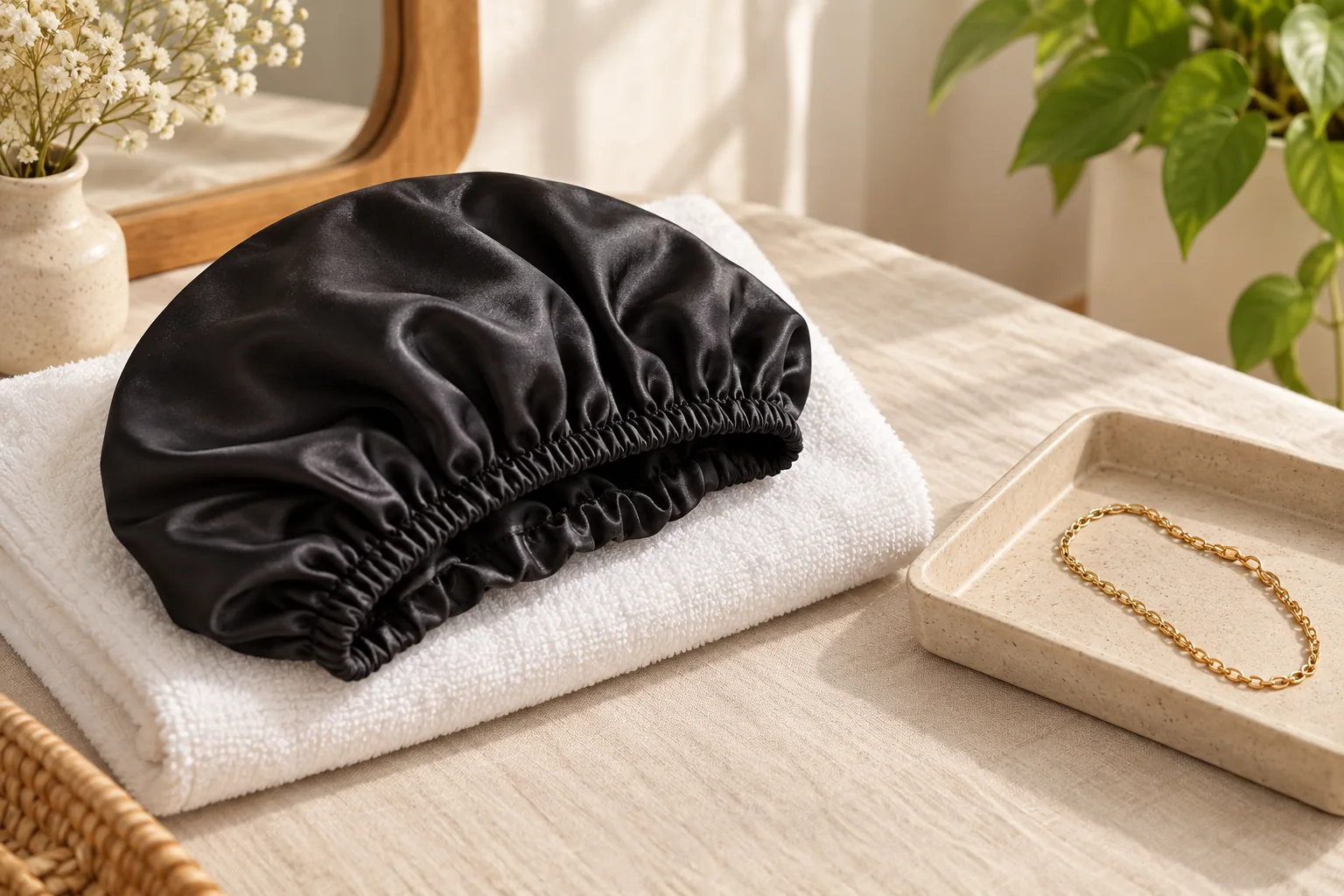
I describe one clear next action
I look for a storage instruction that the recipient can use without buying another organizer. I describe the condition of the item and the space it needs. I do not simply write store safely, because that phrase leaves the person to invent the method. I can keep the maker's wording where it is already clear.
I separate the instructions when the gift contains more than one accessory. A bonnet and a necklace do not share a washing method just because they sit in the same box. I put the relevant note next to each item or identify each instruction by name. I do not let the presentation make two care processes look interchangeable.
| Part of my note | Detail I make clear |
|---|---|
| Textile handling | I name the finished item and its care limits |
| Jewelry handling | I name the piece and its supplied directions |
| Storage | I explain the space and separation needed |
I check the current Zolay Nights description when I mention one of its pieces. I do not invent a cleaner, testing result or material guarantee. A general instruction to keep pieces separate does not tell me that every finish accepts the same polishing cloth. I preserve the difference between an ordinary dry wipe and a more involved cleaning process.
I link to the silk bonnet washing guide when it helps explain careful reading of the finished item's instructions. I do not use that link as a replacement for the gift's own care label. I keep the reminder short enough to find, while leaving the full guide available for a later question.
How do I handle order details without sharing private information?
I can include a full order printout to be helpful and expose details the recipient does not need. I can separate support from the public care note.
I keep private account, payment and unrelated order details out of the care note. I use a gift receipt when the seller provides one and it suits my purpose. I retain the original record myself and explain how the recipient can ask me or the seller an item-specific question.

I choose what the recipient actually needs
I think about the purpose of each document. A care leaflet explains use. An order record documents a purchase. A gift message describes the handover. I do not combine them automatically just because a single sheet is easy to print. I keep the document that answers the relevant question with the right person.
I check whether the seller offers a gift receipt or another suitable record. I do not invent that service when it is unavailable. I also read the current terms before writing anything about returns or exchanges. I avoid telling the recipient that a gift note creates rights or deadlines that the seller has not stated.
I keep any needed original purchase record in a place I can find. I do not put passwords, payment information or unrelated purchase details into the package. If I need to share an order reference for a specific support question, I use the seller's normal channel and share only what that task requires. I keep that private exchange separate from a card that may be passed around.
I explain a practical contact route. I can tell the recipient where the maker's guide is stored and who can help find the original option. I do not promise that the seller will accept a request without checking its current process. I also avoid putting a deadline on the care card unless it is a verified part of the relevant terms.
I keep the note useful even if the recipient never needs order support. The main task is to identify the item and its instructions clearly, while I retain the purchase record for a different task.
How can I check that the handover is useful?
I can spend time on the note's appearance and miss a confusing instruction. A brief read-through can show what the recipient still has to guess.
I check whether the recipient can identify the item, find the full instructions and understand the first care action. I remove unclear or unsupported claims. I leave room for questions and preferences instead of using the note to require a particular routine or immediate use of the gift.
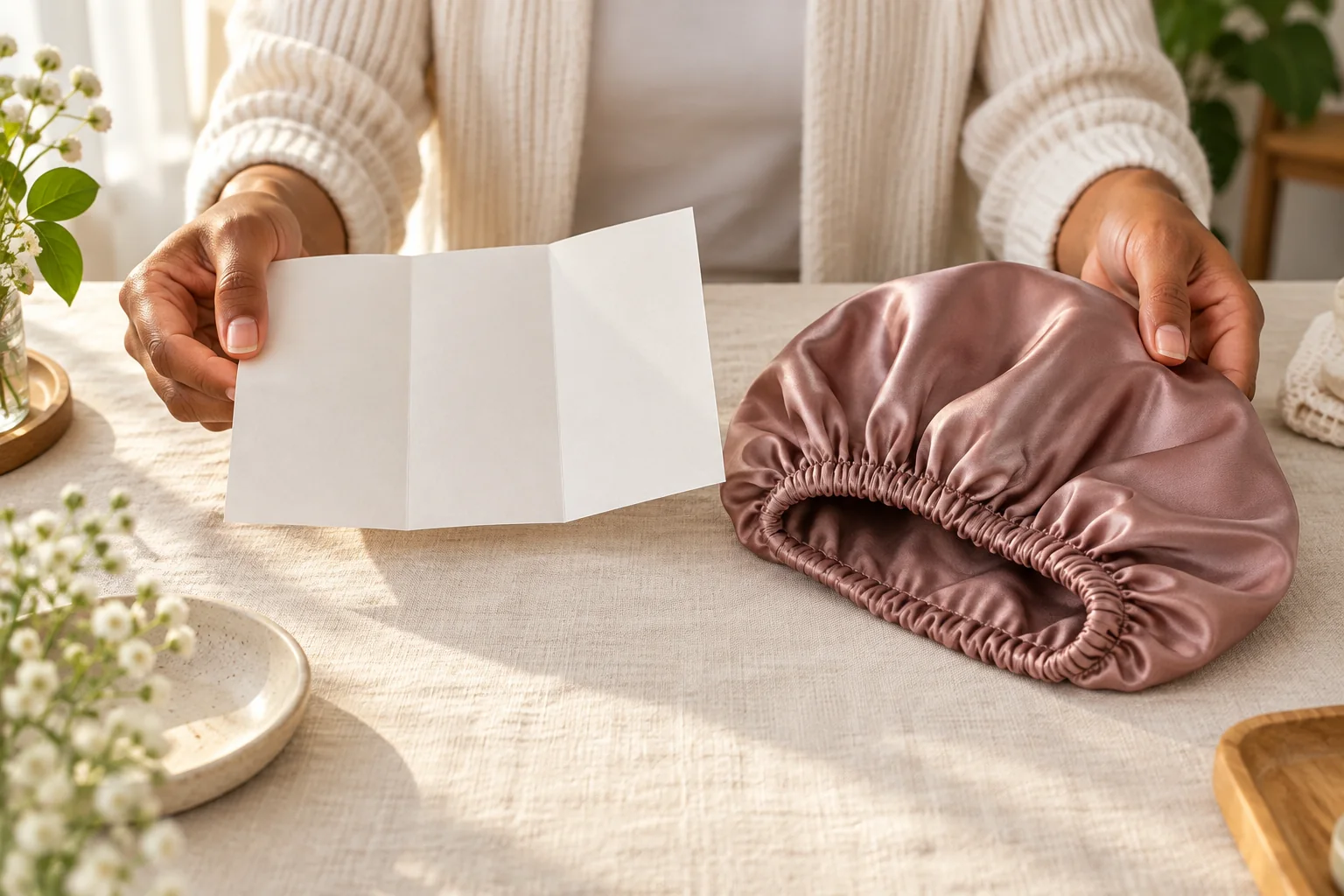
I review the note as a user would
I read the card without looking at my order history. I ask whether its words identify one actual item. I check that the link or leaflet leads to the relevant information. I do not assume that a product collection page will always show the selected option first. I keep the option details in the note when that matters.
I check the action words next. I want to know what a sentence asks the recipient to do. I replace a vague phrase with the maker's clear direction when I can. I do not add a cleaning method merely to make the note look more complete. A useful limit can be more helpful than a longer list of guessed steps.
| Check I make | Question I answer |
|---|---|
| Identification | Can I tell which accessory this is? |
| Care source | Can I find the full current directions? |
| Uncertainty | Can I see where I should ask a question? |
I keep the tone calm. I do not suggest that the person owes me immediate use because I chose the gift. I can include one sentence that explains why I thought the item might suit their routine. I leave them free to use the actual instructions and decide whether the accessory feels useful to them.
I use the practical gift guide if I need to revisit the original choice. I keep this handover focused on a different task. The care note should help someone use and understand an item already chosen. It should not become a sales pitch, a guarantee of satisfaction or a second shopping list.
Conclusion
I give the recipient clear item details, the maker's care instructions and a useful contact route. I keep private purchase records and unsupported promises out of the care note.
- FTC: What to know before you buy something online. I use its advice to check purchase details and policies, not as a universal gift-return policy. ↩
- GINETEX: Care symbols. I use its symbol explanations alongside the finished textile's actual care label. ↩
Images are AI-generated editorial illustrations. They do not identify or verify a specific product.