
What Does 19 Momme Tell Me About a Silk Bonnet?
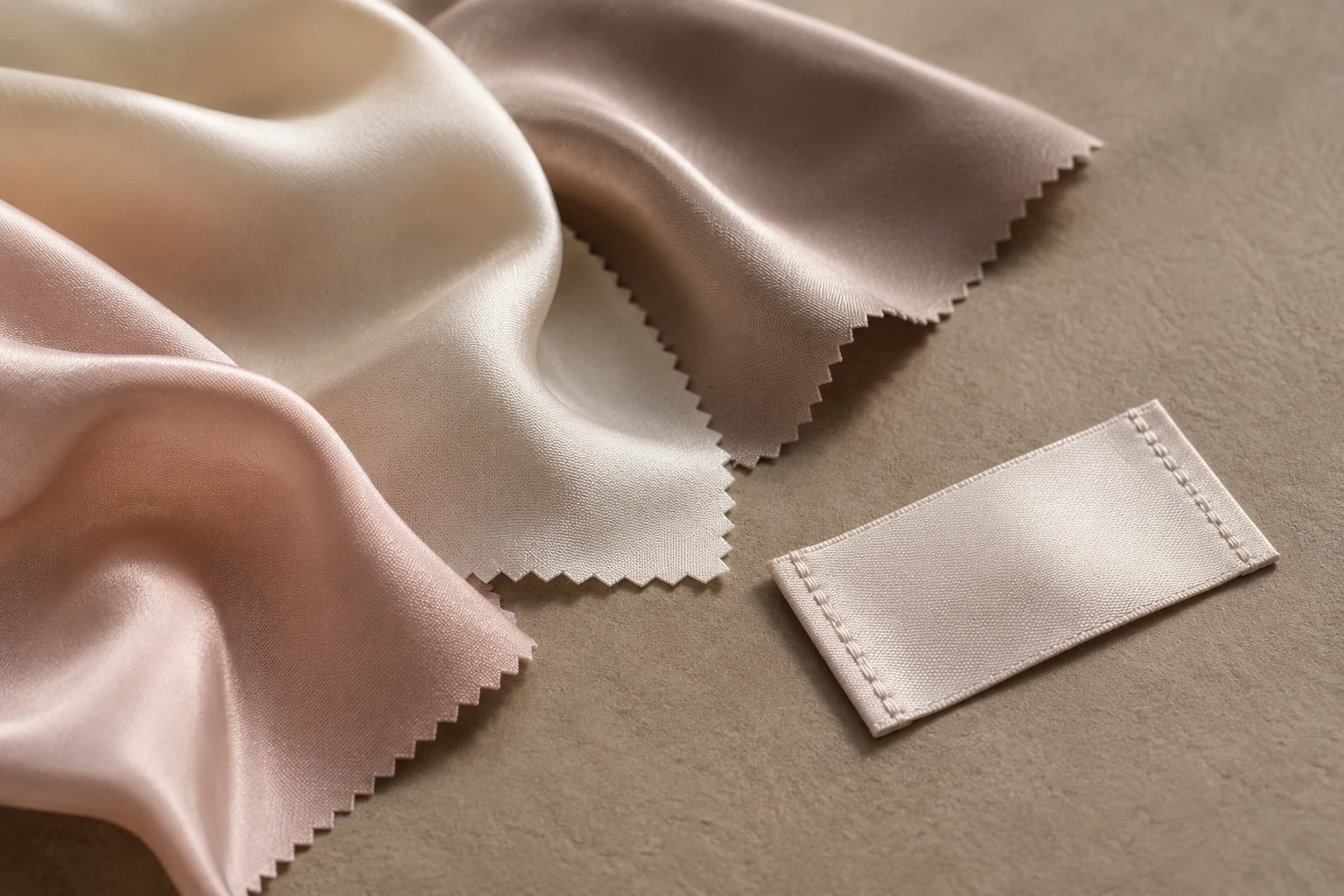
I can compare silk bonnets and see numbers before useful fit details. A 19 momme label can sound like a complete answer when it describes only part of the item.
I use 19 momme as a silk fabric-weight specification. I do not use it as a score for the whole bonnet. I still check fiber, layers, crown shape, opening range, seams, closure and care instructions before choosing.
I want a number to make a comparison clearer. I do not want it to hide the missing questions. My Why Silk page separates fabric language from finished-product claims so that I can read both in context.
What does the momme value describe?
I would be cautious if a listing shows a fabric number without saying where it applies. A finished bonnet can contain more than one material or layer.
I read momme as a weight reference for silk fabric. I ask which fabric layer the value describes. I do not confuse it with thread count, total bonnet weight or a guarantee about comfort.

I locate the specification in the product description
I would look for the momme value beside a clear fiber statement. I would then check whether the description refers to the crown, lining or both. A number in the title may not give me that level of detail. I would ask the seller to connect the number to the specific fabric rather than repeat a general claim about quality.
I would also check whether the value is consistent across the listing. A title, specification table and product description should not leave me with different numbers for the same part. If they do, I would ask which statement is current. I would not choose the largest number and ignore the conflict.
I avoid measuring the wrong thing
I would not weigh the whole bonnet and treat the result as its fabric weight specification. The finished item contains seams, a band and sometimes ties or hardware. Those components answer different questions. I want the seller's fabric detail rather than a calculation that mixes several parts of the accessory.
| Number or description | What I ask next |
|---|---|
| 19 momme | I ask which silk layer it describes |
| Finished-item weight | I ask whether it includes the band and closure |
| Double layer | I ask what each layer contains |
I also keep the material name separate from the number. A fabric-weight statement does not replace a composition statement. FTC textile guidance gives background on reading fiber descriptions, with exemptions that matter for headwear.1 I would request clear information without claiming that every bonnet has identical legal labeling requirements.
Why does the finished construction still matter?
I can select a fabric specification I like and still dislike the bonnet. The opening, seams and crown may decide whether I use it each night.
I compare the whole construction after reading the momme value. I check the crown's room, the hair-facing surface, the opening and the closure. I treat each part as a separate decision factor.
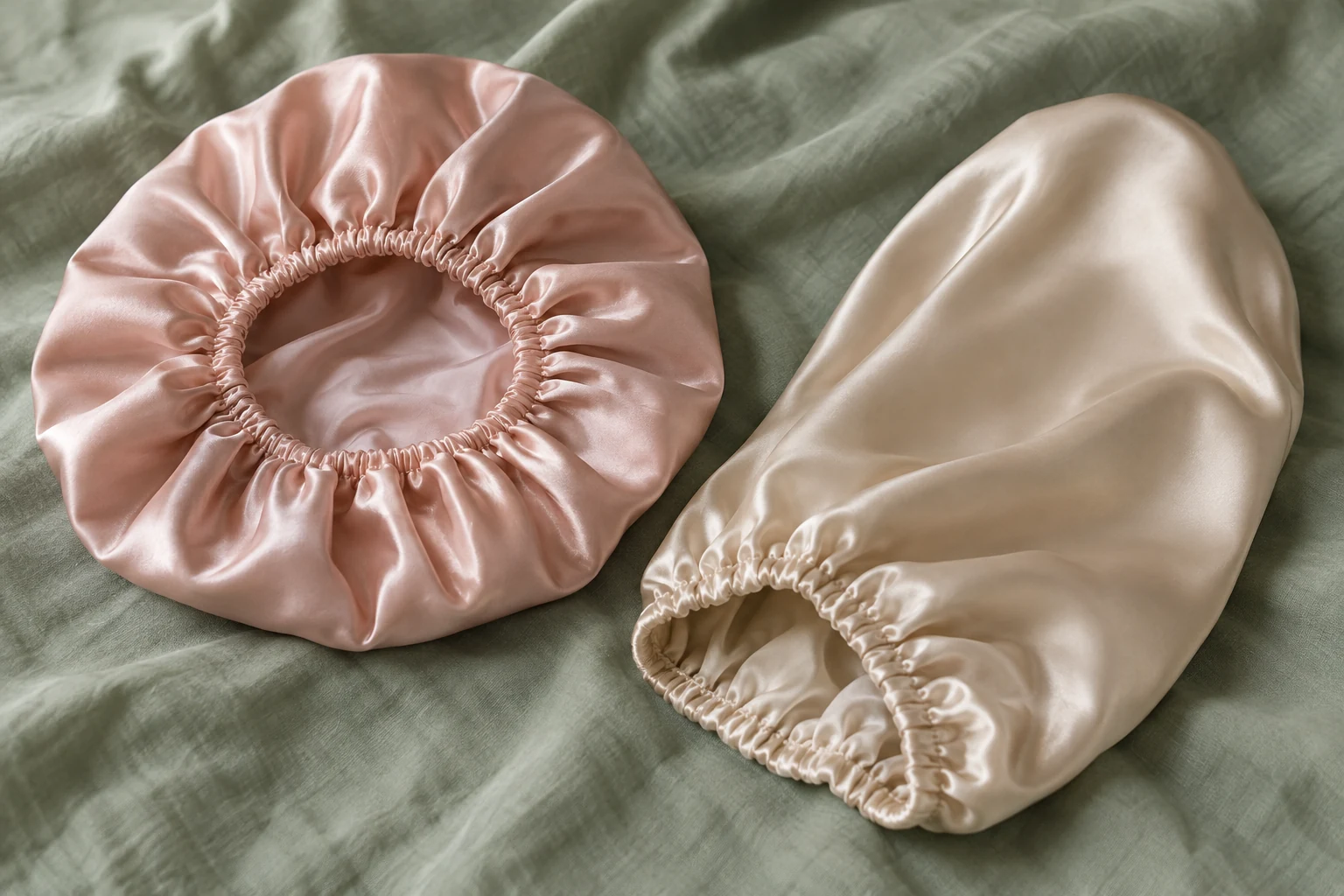
I compare the parts that touch and hold
I would start with the opening because it holds the item in place. I would check its stated range and whether I can adjust it comfortably. I would then check the crown because it needs to hold the hair without force. I do not assume that fabric weight tells me either of those dimensions.
I would inspect the seams around the inside and opening. I would also check where hardware or a knot rests when I lie down. A product can have the material I prefer and still place a closure where I do not want it. I would compare that location with my usual resting position rather than judge it from a front-facing photograph alone.
I give layer count its own question
I would ask what double layer means in the specific listing. I would want to know whether both layers have a stated fiber and whether the same weight applies to both. I would also check how the layers are joined. I would not assume that two layers always feel better than one or that a single layer is always unsuitable.
I would use the bonnet closure guide to compare the adjustment method alongside the fabric description. I might prefer a different closure while keeping the same fabric weight. I might also prefer a different crown shape for the same reason. These are useful distinctions because they let me change the part that causes a problem without treating the momme value as a cause of every fit issue.
I would keep a short list of unresolved construction questions before buying. A clear answer about one specification is useful, but it does not cancel a missing answer about another part of the item.
How would I compare 19 momme with another value?
I would not rank two bonnets from one number. A comparison becomes weak when the products use different shapes, layers or material descriptions.
I compare fabric-weight values alongside equivalent construction details. I would not declare a higher value better for every wearer. I would choose after considering the complete item and the feel I prefer.
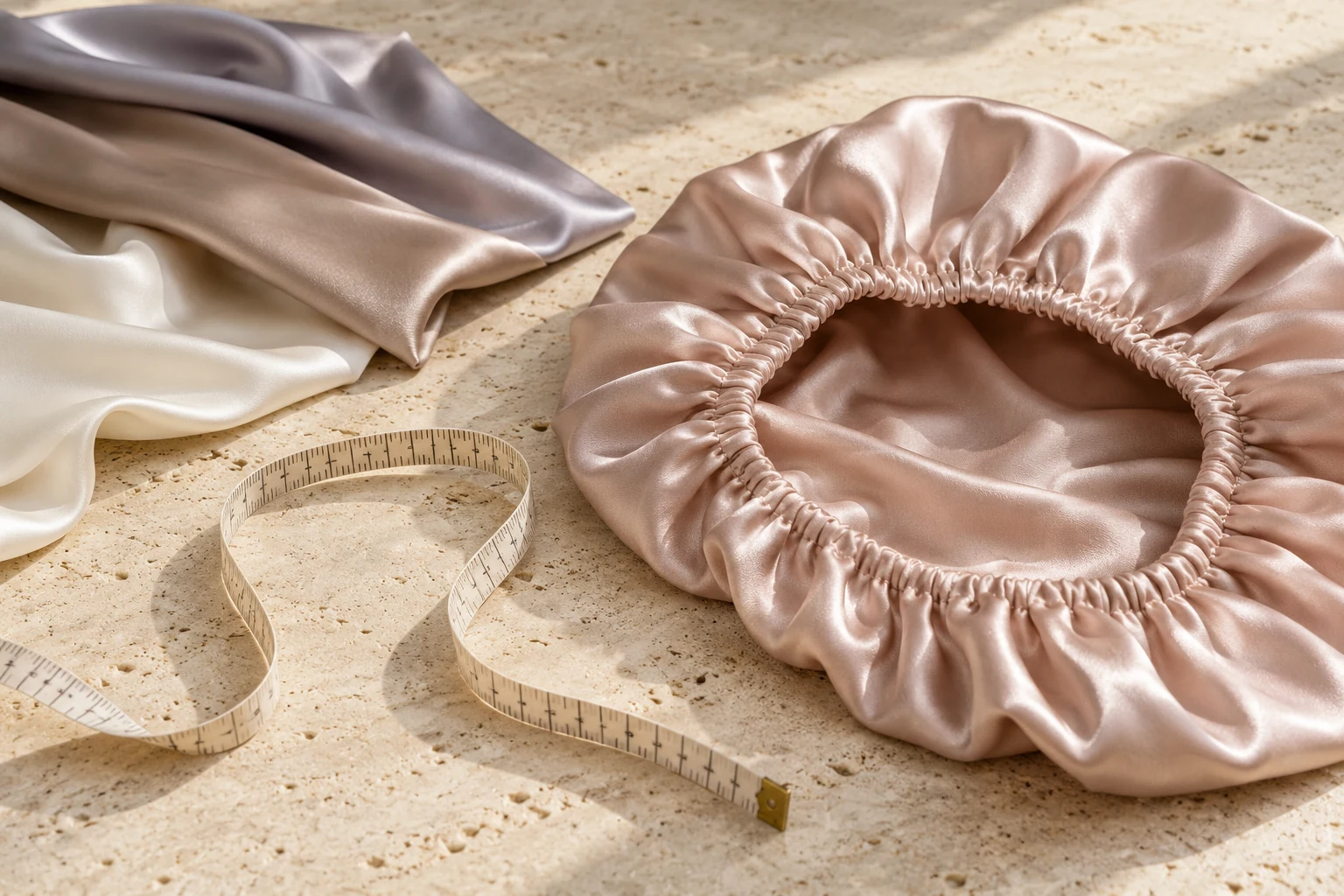
I build a fair comparison
I would put the two products side by side in a small table. I would include the stated fiber, relevant momme value, number of layers and opening range. I would also include the crown shape and adjustment method. If one seller leaves a field blank, I would mark it as unknown rather than give it a favorable assumption.
I would not compare a fully described bonnet with an incomplete listing as though the missing facts were equal. I would ask for the missing information first. I would also avoid comparing a claim about raw fabric with a claim about the completed accessory. I want each row to describe the same kind of detail.
I decide which tradeoff matters to me
I would think about what I want to change from an item I already use. If the crown feels cramped, I would compare space. If the opening moves, I would compare fit. If the care method is difficult, I would compare instructions. A different momme value may be part of the next product, but it is not the whole explanation for my choice.
| Comparison row | How I keep it useful |
|---|---|
| Fabric weight | I compare the same stated layer |
| Opening range | I compare the seller's measurement method |
| Crown shape | I compare room for my hair arrangement |
I would also read community comments about comfort as personal reports.2 I would not expect a fabric number to settle those reports. People can prefer different finished designs even when the material specification is similar. I would leave room for that difference in my buying decision.
Which care questions do I ask before buying?
I would not want a fabric choice to bring a care routine I cannot follow. Maintenance belongs in my comparison before the item reaches the bathroom sink.
I check the care instructions for the finished bonnet, including its lining, band and closure. I do not choose a wash temperature or cleaning product from the momme value alone. I ask for clear instructions when they are missing.
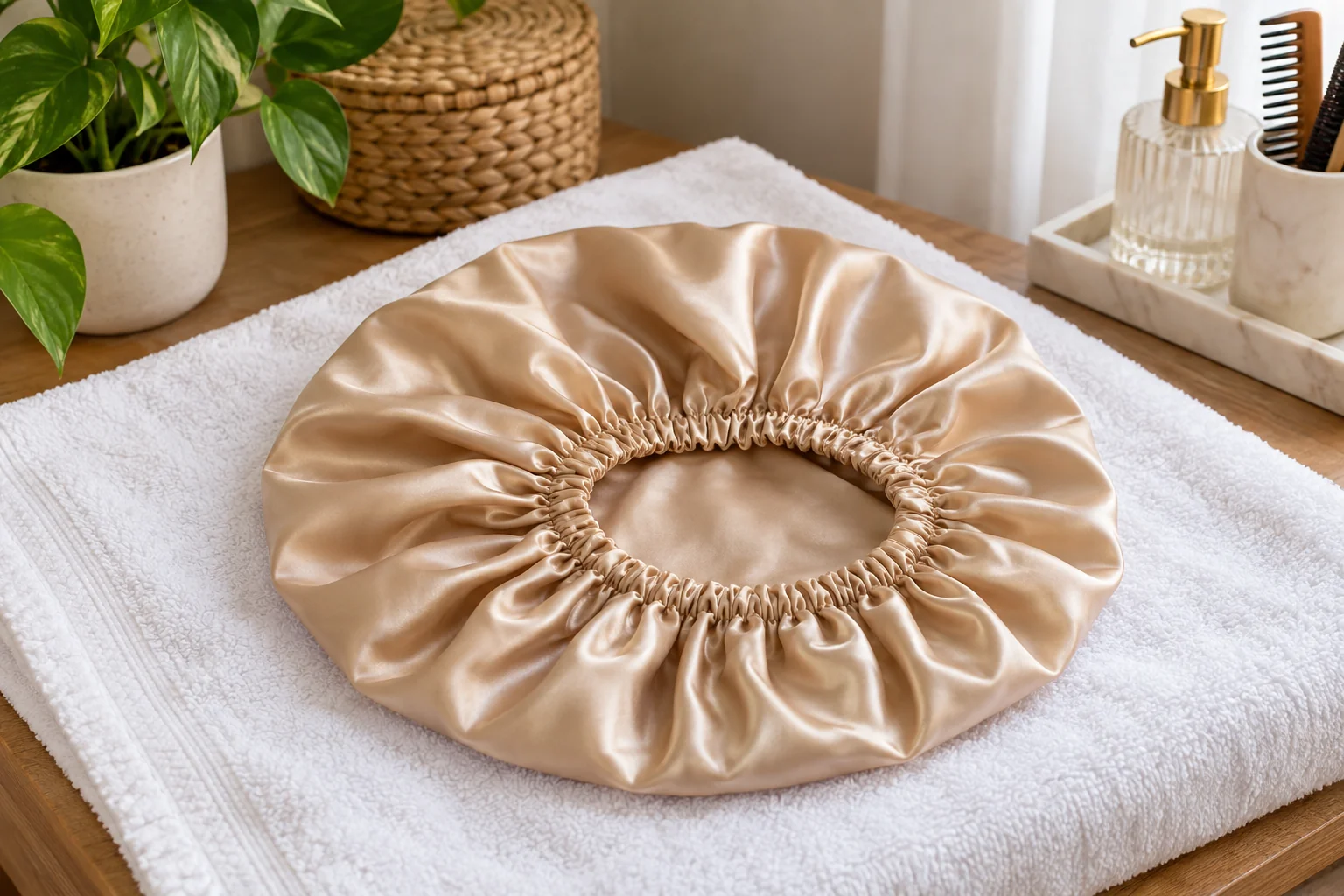
I connect construction with the care method
I would read the care label and product guidance together. I would check whether the instructions cover the whole item or only describe the main fabric. I would also look for any restrictions about cleaning products, heat or machine use. I do not need a complex routine, but I need a routine that is stated clearly enough to follow.
I would prepare a suitable drying area before washing. I would also allow enough time for the item to dry. I would not choose a rushed heat method because I need the bonnet that night. If the care method does not fit my schedule, I would use that information when deciding whether the item suits me.
I keep claims within their evidence
I would not treat a 19 momme claim as proof of a health or beauty outcome. I would ask what the specification describes and what the seller can support about the actual item. I would leave hair-growth, universal comfort and permanent durability promises out of my own explanation.
I use the Materials & Care page to keep those limits visible while planning care. I would record the product's actual instructions rather than copy a general recipe into a note. I would also keep the order details so that I can ask a precise question if the fabric or band changes after normal use.
I would decide from the information I can verify. A complete description of fabric, layers, fit and care gives me more useful confidence than a higher number paired with unanswered questions. I would prefer to know why a product suits my routine before I call it the right choice.
Conclusion
I use 19 momme to understand fabric weight. I choose the bonnet after checking its layers, fit, construction and care, because the number cannot describe the whole item.
- FTC textile-label guidance. I use its fiber-language background while respecting the headwear exemptions. ↩
- Reddit: varied silk bonnet experiences. I use this discussion to identify comfort questions, not to validate a momme specification or predict results. ↩
Images are AI-generated editorial illustrations. They do not identify or verify a specific product.