
How Do I Choose a Practical Silk or Jewelry Gift?
I can choose a beautiful gift that asks the recipient to change their routine. The surprise loses its appeal when fit or care becomes difficult.
I choose a practical silk or jewelry gift by starting with the recipient's preferences and daily habits. I check fit, materials, care and purchase terms before ordering. I ask a discreet question when a key detail is unknown, and I leave room for an exchange when the policy allows.
I want the gift to feel personal without making assumptions about the person. I use a few clear questions to compare the options and keep the choice respectful.
What can I learn from the recipient's existing routine?
I can project my taste onto another person. Their familiar choices give me a better starting point than a general claim about what everyone wants.
I look at the styles and routines the recipient already enjoys. I use only details they have shared or choices I can reasonably observe. I ask when I do not know whether they would use a bonnet, wear a necklace or want a particular color.
I start with what the person already likes
I might know that the recipient wears a small pendant often. I might know that they enjoy a simple bedtime routine and have mentioned wanting a different hair covering. These details give me a useful direction. I do not assume that someone with long hair wants a bonnet or that someone who wears one necklace wants several more.
I can ask a small question without naming the exact gift. I might ask which necklace length they find comfortable. I might ask whether they prefer a tie or another closure for a hair covering. I keep the question about their preference rather than telling them what they should use. A brief answer can prevent a much larger mismatch.
I avoid making the gift a correction
I do not frame the gift as a solution to an appearance or health concern the person did not raise. I avoid promising better hair, better sleep or a more polished look. I can choose an object for comfort, personal style or a routine they already enjoy without attaching a judgment to it.
| Detail I know | How I use it |
|---|---|
| A favorite necklace style | I compare the new piece's role and shape |
| A preferred bonnet closure | I compare the actual adjustment details |
| A simple care routine | I avoid adding care they would dislike |
I use the selection approach as a reminder to look for purpose. I keep the recipient's taste at the center because the gift needs a place in their day.
Which fit details do I need before choosing silk or jewelry?
I can assume that an adjustable item will fit anyone. Adjustment has limits, and a gift can still feel wrong even when it closes successfully.
I check the available measurements and adjustment range. For a bonnet, I compare opening fit, crown room and closure placement. For a necklace, I compare length, extender and pendant dimensions. I ask about missing details instead of treating adjustable as a universal fit claim.
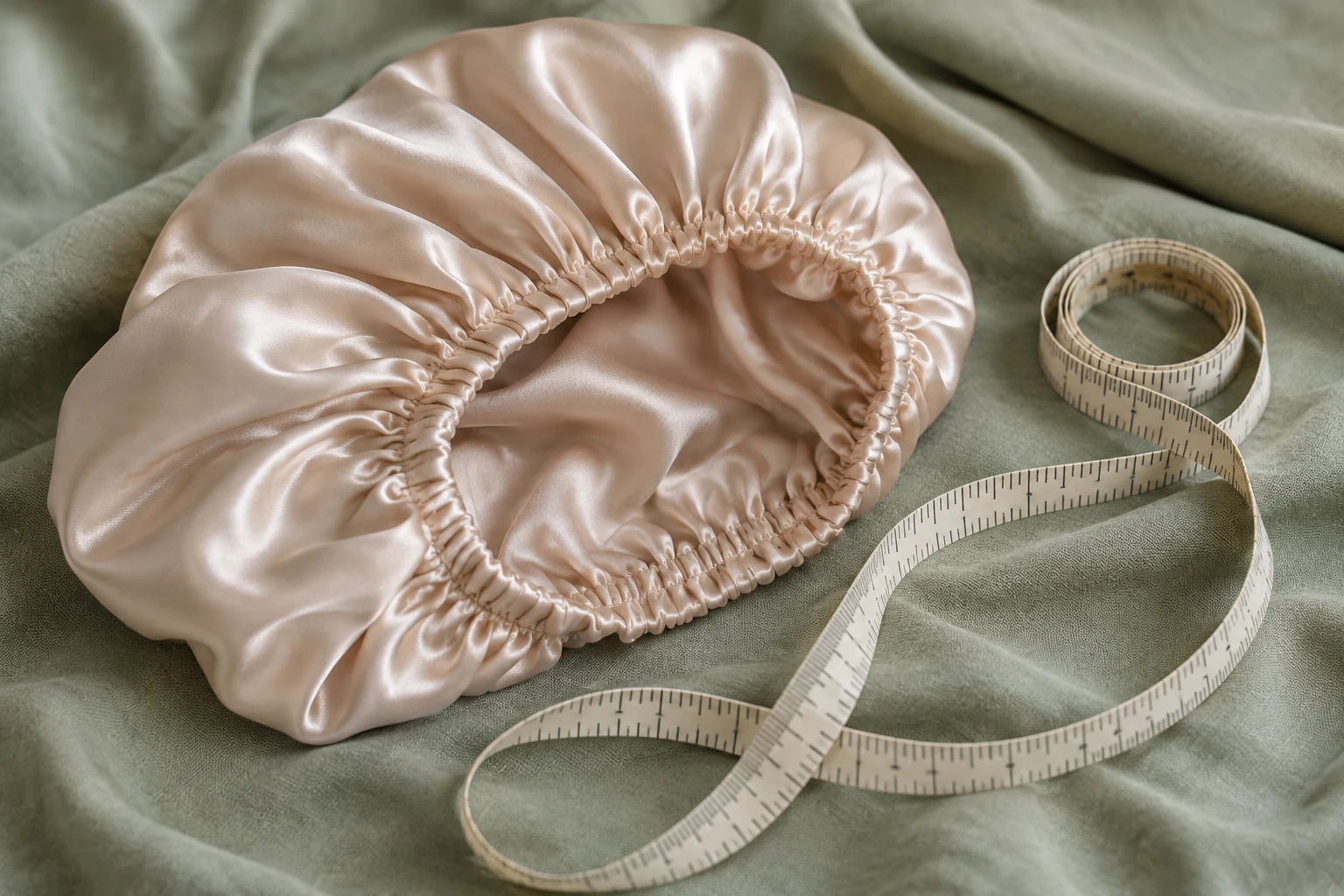
I compare the right kind of measurement
I read the product description carefully. A bonnet needs enough room for the intended hair arrangement as well as a comfortable opening. A larger crown does not automatically give a looser band. A tie or drawstring can also sit where the wearer rests their head. I need those construction details to compare it with a preference the recipient has shared.
For a necklace, I check whether the stated length includes the clasp. I note whether the extender adds to the figure or is included in a range. I read pendant height and width separately. I can use a necklace the recipient already enjoys as a reference if they have shared its measurement, but I do not expect every design of that length to rest identically.
I leave space for personal comfort
I choose an item with clear details rather than relying on the most polished photograph. I use the bonnet fit guide to understand the questions before ordering. I keep any fit estimate separate from a guarantee that the person will enjoy wearing it.
I also think about how the recipient handles closures. A small clasp or a tie may be easy for one person and inconvenient for another. I ask when I have reason to think that handling matters. I do not need private measurements or sensitive information to make every gift choice. When a comfortable fit remains too uncertain, I can choose another kind of gift rather than forcing the decision.
How do I compare materials and care without overpromising?
I can repeat a product phrase without understanding its limits. A useful gift needs clear information that the recipient can use after the wrapping comes off.
I read the specific fiber or jewelry material statement and the item's care instructions. I keep those details with the gift. I do not infer silk from shine, solid metal from color or a health benefit from a smooth feel.
I check the description rather than the image
I look for the stated fiber content in a silk item. I distinguish a fiber description from a weave description, so that satin does not become a substitute for a clear material statement. I do not use a close photograph as proof of composition. I ask the seller when the actual product description leaves the question unanswered.
I apply the same habit to jewelry. I read the base metal, finish and any decorative material. I treat gold-tone and silver-tone as color descriptions unless the listing makes a specific material statement. I do not turn a general comfort phrase into a guarantee for a person with a known material sensitivity.
I make the care information part of the gift
I include the care instructions or a clear way to find them. I want the recipient to know how to clean, dry and store the actual item. GIA's care guide explains why different jewelry materials need different treatment.1 I use that idea to avoid a single cleaning recommendation for every necklace.
| Gift detail | What I keep clear |
|---|---|
| Fabric content | I use the stated fiber information |
| Jewelry construction | I separate color, base metal and finish |
| Care instructions | I keep the item's own method available |
I compare the required care with the recipient's routine. A delicate item can be a thoughtful gift when they enjoy caring for it. It can be an extra task when they do not. I choose with that difference in mind.
What should I check about delivery, returns and presentation?
I can focus on the gift and overlook the time needed to receive it. A clear purchase plan helps me avoid rushing or promising a date I cannot confirm.
I read the current delivery and return terms before ordering. I check the address, total cost and any gift-related options the seller actually offers. I keep the order details and care information, and I avoid promising an arrival date beyond the stated service.
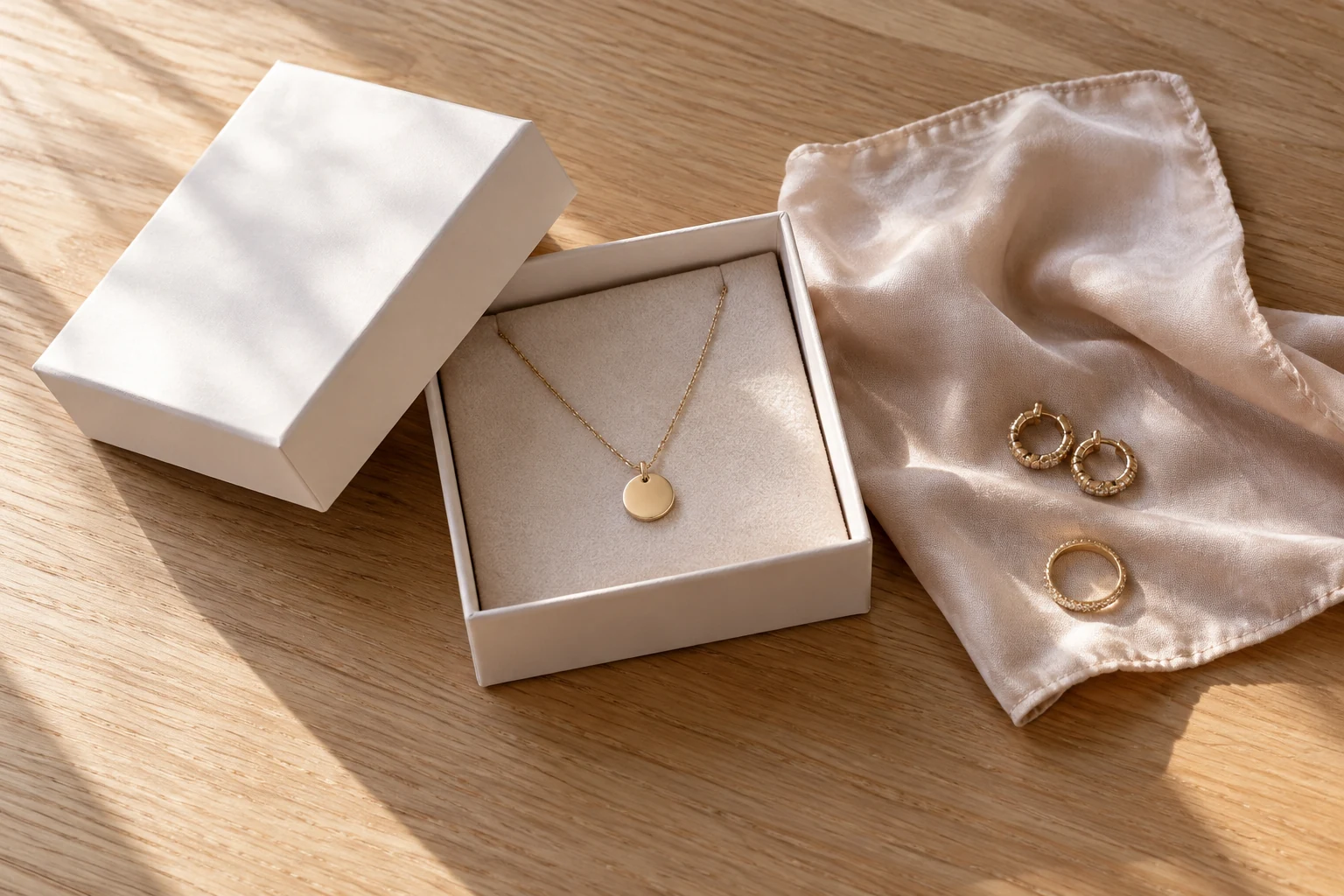
I read the current terms for this order
I check the delivery information at the time of purchase rather than relying on an old memory. I note any estimate and any stated limits. I make sure the recipient's address is correct if I send the item directly. I do not assume that every store provides gift wrapping, a gift receipt or a message card. I check the available options before I plan around them.
I read the return conditions and relevant deadlines. I check whether the item or its condition affects eligibility. The FTC's shopping guidance recommends reviewing delivery and refund policies.2 I use that as a reminder to read the actual store terms, not as a statement that every gift can be returned in every circumstance.
I make the presentation useful
I include a simple note that explains why I thought the person might enjoy the piece. I avoid promising benefits the product cannot establish. I leave material and care information easy to find. I keep the order record myself so that I can help with a question without asking the recipient to reconstruct the purchase.
I read the Zolay Nights return policy when ordering from this store. I check it before the order and use the current terms if a fit problem appears. I want the recipient to feel comfortable saying that the item does not suit them. A thoughtful gift can leave room for their preference rather than requiring them to keep a piece they will not use.
Conclusion
I choose practical gifts through the recipient's routine, clear fit and honest materials. I keep care and purchase details available so that the gift stays easy to enjoy.
- GIA: Tips for Caring for Your Jewelry, material-specific care guidance. ↩
- FTC: Online Shopping, guidance on delivery, returns and purchase records. ↩
Images are AI-generated editorial illustrations. They do not identify or verify a specific product.