
How Do I Build a Softer Bedside Routine Without Adding More Tasks?
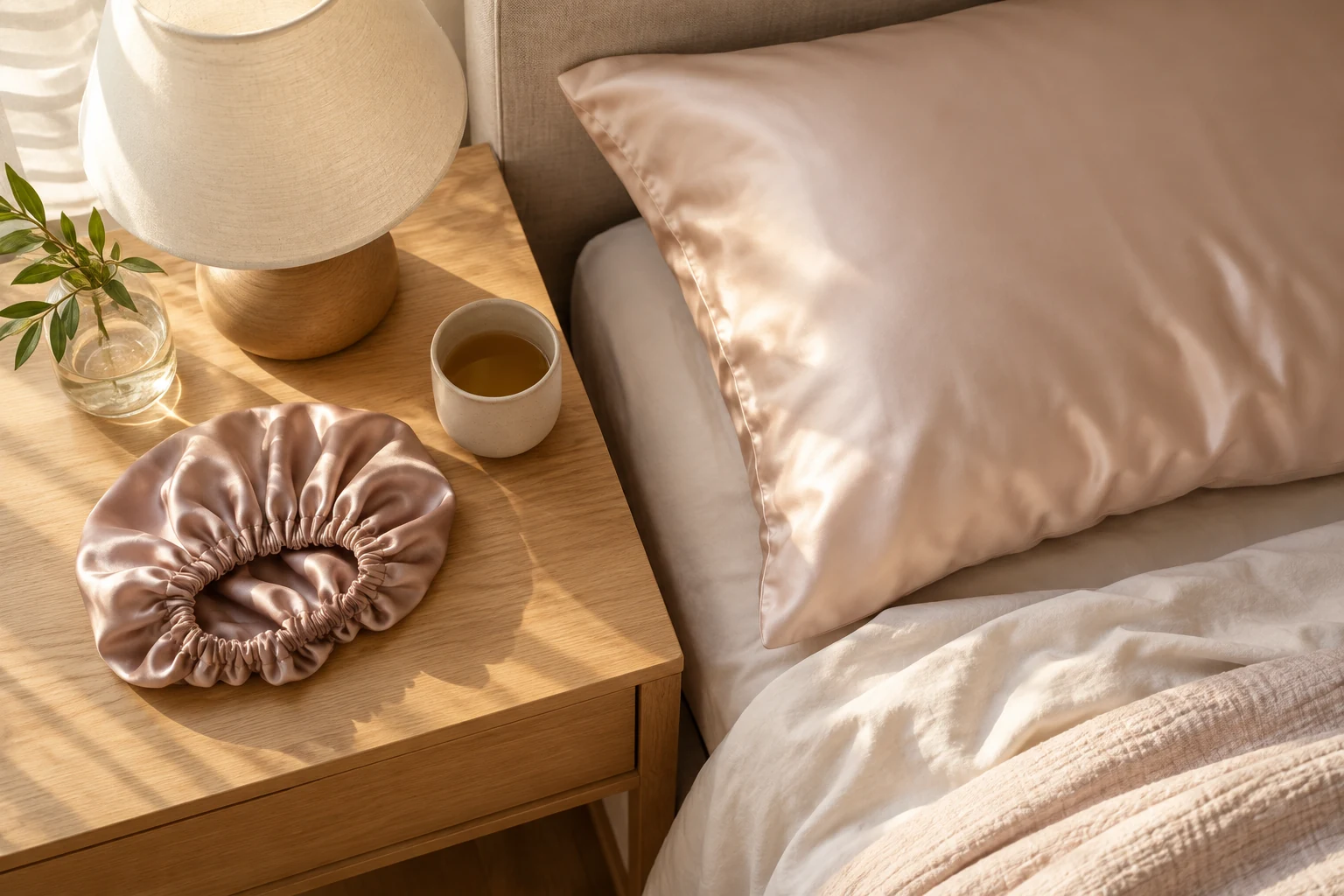
I can turn bedtime into another list of jobs. A routine meant to feel calm becomes harder when every product asks me to do something extra.
I build a softer bedside routine by choosing a few useful steps and preparing their items before I need them. I check comfort, keep care instructions nearby and give jewelry a separate storage place. I remove steps that add effort without serving a clear purpose.
I use softer to describe the feel and pace I want around bedtime. I do not treat a bonnet, necklace tray or styled room as a sleep treatment. I focus on practical choices I can repeat.
Which steps do I actually need at bedtime?
I can copy a long routine without knowing whether it fits my evening. A small set of useful steps gives me a clearer place to start.
I begin with the actions I already need, such as removing jewelry and putting away clean personal items. I add a step only when I can explain its purpose. I keep the order simple and change it when my routine changes.

I start with the current routine
I look at what I already do before bed. I notice where I lose time or leave an item without a clear place. I might search for a necklace pouch after I have taken the necklace off. I might leave a clean bonnet in a drawer that makes it hard to find. These are practical moments I can improve without creating a long new ritual.
I choose one small problem first. I might give jewelry a separate compartment near the place I remove it. I might put a clean bonnet where I can reach it without moving several other objects. I do not need to replace the whole room to make the next evening easier.
I keep the sequence short
I write the steps in the order I actually use them. I remove jewelry before I settle into bed. I put each piece in its suitable storage place. I check any personal item I plan to wear for comfort and condition. I keep cleaning as a separate task when it needs more time than I want to spend at bedtime.
| Step I keep | Purpose I want it to serve |
|---|---|
| Removing jewelry | I follow the item's use and care instructions |
| Storing pieces separately | I keep loose chains from mixing |
| Preparing a clean bonnet | I make the fit check easy to repeat |
I use the home and rest collection as a browsing reference. I add an object only when I know which step it would help, rather than building a routine around everything I see.
How do I make a bonnet part of the routine comfortably?
I can spend bedtime adjusting a bonnet that never feels right. A tighter closure can hide the real fit problem while adding pressure.
I check the bonnet's opening, crown space and closure position while I am awake. I contain my hair loosely and test my usual resting position. I stop if I feel pain, pulling or pressure, and I change the fit approach instead of tightening through discomfort.

I prepare the fit before I settle down
I read the sizing and closure details before I choose a bonnet. I check the available adjustment and the space for my hair. I do not assume that a wide opening means a roomy crown or that an adjustable tie suits every head. These details solve different parts of the fit question.
I try the bonnet while I can pay attention to the band and seams. I gather my hair without pulling it tight. I check whether the band sits comfortably and whether the crown contains my hair without forcing it into a compact bundle. I can use the bonnet selection guide to separate those checks.
I test the position I use in bed
I rest against my pillow and notice where a knot, drawstring or seam lands. I check whether turning my head makes the opening shift. I change one detail at a time so that I can tell whether placement or sizing is causing the problem. I do not promise myself that a bonnet will remain in place all night because one brief test looked good.
The American Academy of Dermatology warns about painful pulling from tight hairstyles.1 I use that guidance to avoid adding tension to my hair arrangement. It does not test a particular bonnet or prove a sleep benefit. I stop using a setup that hurts and seek appropriate advice for ongoing hair or scalp concerns. My bedtime routine needs comfort before it needs another accessory.
Where should I put jewelry when I take it off?
I can place several chains in one tray and find them crossed the next morning. Easy storage needs separation as well as a convenient location.
I give each necklace a separate suitable space and close the clasp before storing it when the construction allows. I follow the material's care instructions and keep pieces away from anything that catches them. I use a pouch or compartment that fits the item.

I choose storage around the piece
I look at the chain, pendant and any decorative material. I choose a place where they can rest without rubbing against other items or being pressed into a tight corner. I do not assume that a shallow tray protects every piece. It may be convenient for a short pause, but I still need suitable storage for the actual materials and setting.
I keep necklaces separate rather than dropping them together. I can use an existing pouch or compartment if it is suitable. I do not need to buy a large organizer when a small clear arrangement already works. GIA's care guide discusses storage and the need to consider different materials.2 I use that as a reason to check the whole item, not only the visible metal color.
I make the action easy at night
I put the storage where I normally remove jewelry. I leave enough space to open the clasp without rushing. I do not place a loose chain near the edge of a bedside surface where it can fall into a narrow gap. I also avoid storing clean fabric with sharp jewelry parts that may catch it.
| Storage detail | What I want it to do |
|---|---|
| Separate compartments | I want each chain to remain distinct |
| Suitable padding | I want delicate parts to avoid rough contact |
| A clear location | I want to find the piece without searching |
I use the necklace travel guide when I move this routine away from home. I keep the same separation principle even when the container changes.
How do I keep care from becoming another bedtime job?
I can leave washing and cleaning until I am tired. A simple plan lets me prepare clean items without turning every evening into maintenance time.
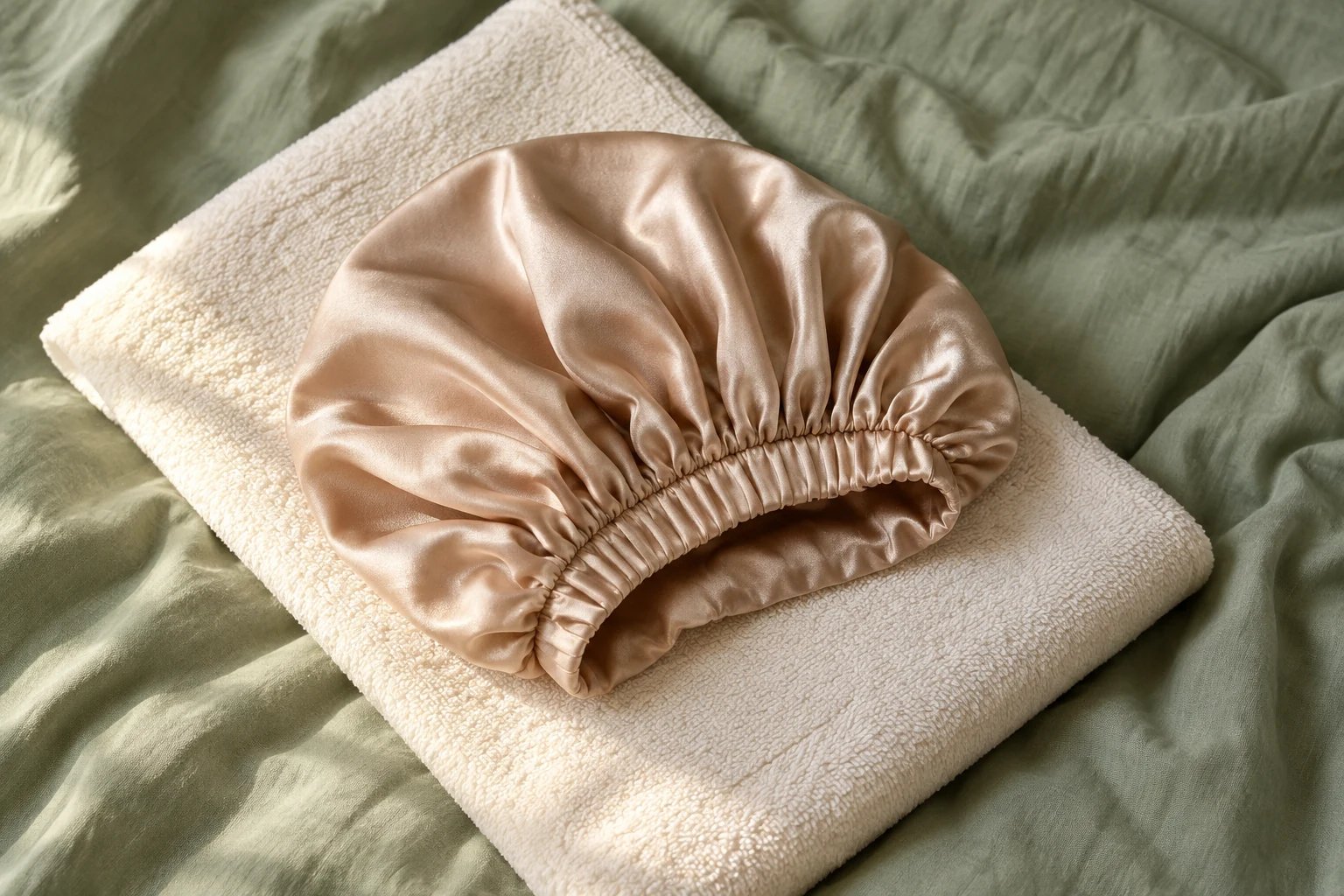
I separate care from the short bedtime sequence when cleaning needs more time. I follow the item's instructions, allow it to dry fully where required and return it to a clear storage place. I keep a manageable routine instead of adding unnecessary products.
I choose a practical care time
I read the product's care instructions before deciding when to clean it. I note any hand-washing, drying or cleaning limits. I choose a time when I can follow those steps without rushing. I do not make bedtime the default care period if the item will still be wet or unavailable when I want to use it.
I also check the item before I put it away. I notice visible soil, an unusual smell, loose threads or a damaged clasp. I respond to the actual condition and the instructions rather than claiming that every item needs the same cleaning schedule. Different use patterns and materials can call for different routines.
I keep the prepared items easy to reach
I return clean, fully dry items to their suitable places. I avoid stacking too many objects around the few steps I want to keep. I can leave open space on the bedside surface without treating that space as something I must fill. A shorter routine is easier for me to repeat when I know where each useful item belongs.
I review the routine after several evenings. I notice which steps helped and which ones felt unnecessary. I remove a step when I cannot explain its purpose. I keep a change when it reduces searching, protects an item or improves comfort. I judge the routine by these practical observations, while keeping any sleep or health concern separate from what an everyday object can reasonably do.
Conclusion
I keep my bedside routine short through useful steps, comfortable fit and separate storage. I prepare care at a practical time and remove tasks that add little value.
- American Academy of Dermatology: Hairstyles That Pull Can Lead to Hair Loss, guidance about hair tension, not a test of bonnets. ↩
- GIA: Tips for Caring for Your Jewelry, material-specific care and storage guidance. ↩
Images are AI-generated editorial illustrations. They do not identify or verify a specific product.