
Why Do Some Everyday Pieces Earn a Lasting Place in My Routine?
I can collect attractive objects and still reach for the same few pieces. The unused choices take space without making my day easier.
I give an everyday piece a lasting place when it serves a clear purpose, fits comfortably and has care I can maintain. I judge it through repeated use rather than a single photograph. I keep room for personal taste without treating every new option as a need.
I read the Zolay Nights approach as an invitation to ask useful questions about familiar objects. I want those questions to help me choose, use and care for a piece with less guesswork.
How do I know whether a piece has a clear purpose?
I can call almost anything useful when I want to buy it. A specific task gives me a better way to judge what it would add.
I describe the job the piece would do in my actual day. I compare it with what I already use and identify the problem it would address. I pause when the purpose depends only on an imagined routine or a styled photograph.
I name the task before the object
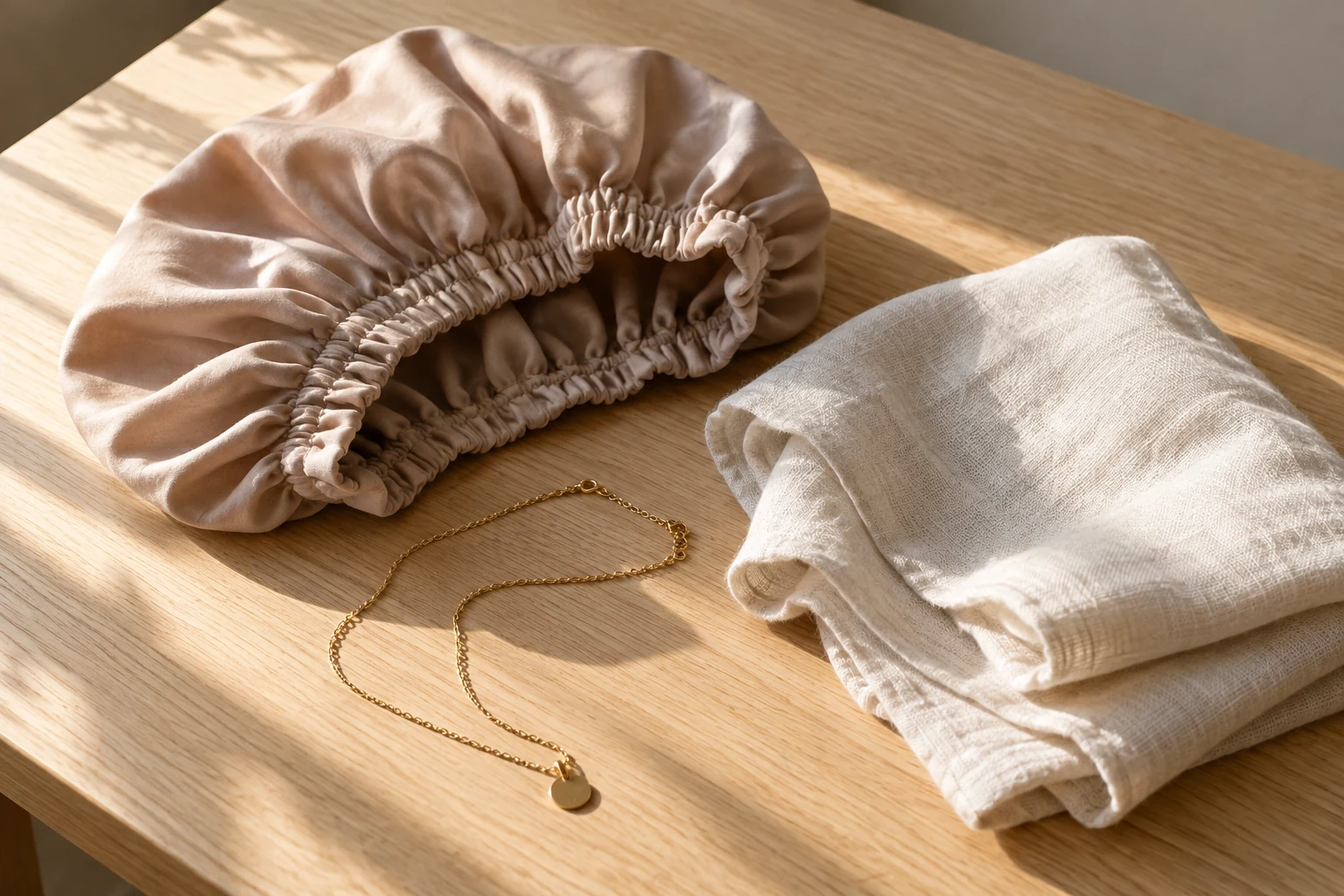
I start with a moment in my day. I might need a place to store a necklace when I take it off. I might want a comfortable way to contain my hair at bedtime. I might want one necklace that works with the tops I already wear. These tasks are specific enough to compare with real product details.
I then look at what I already own. I check whether an existing piece can do the job with a small change in use or storage. I do not assume a new purchase is the only solution. A separate pouch may already solve my necklace storage problem. A different fit setting may answer a comfort problem with an item I have.
I compare the proposed improvement
I ask what would be easier if I added the new piece. I can describe a useful improvement in practical terms, such as clearer fit information or a closure I can handle comfortably. I avoid vague claims that the item will transform my life. I also avoid claiming that a product solves a health concern without evidence.
| Question I ask | What I want to identify |
|---|---|
| When would I use it? | I want a real moment in my day |
| What does it add? | I want a specific improvement |
| What already does this job? | I want to understand overlap |
I use the selection approach as context, then check the individual item. A brand idea gives me a useful question, but it cannot replace the details of the piece I am considering.
Why does fit matter as much as appearance?
I can enjoy how an object looks and avoid using it because it feels awkward. A small daily annoyance can outweigh the photograph that attracted me.
I compare fit with the way I will actually use the piece. I check measurements, adjustment, closures and normal movement. I stop when an item pinches, catches or causes discomfort, and I use its return instructions when the fit does not meet my needs.
I test the part that touches my routine
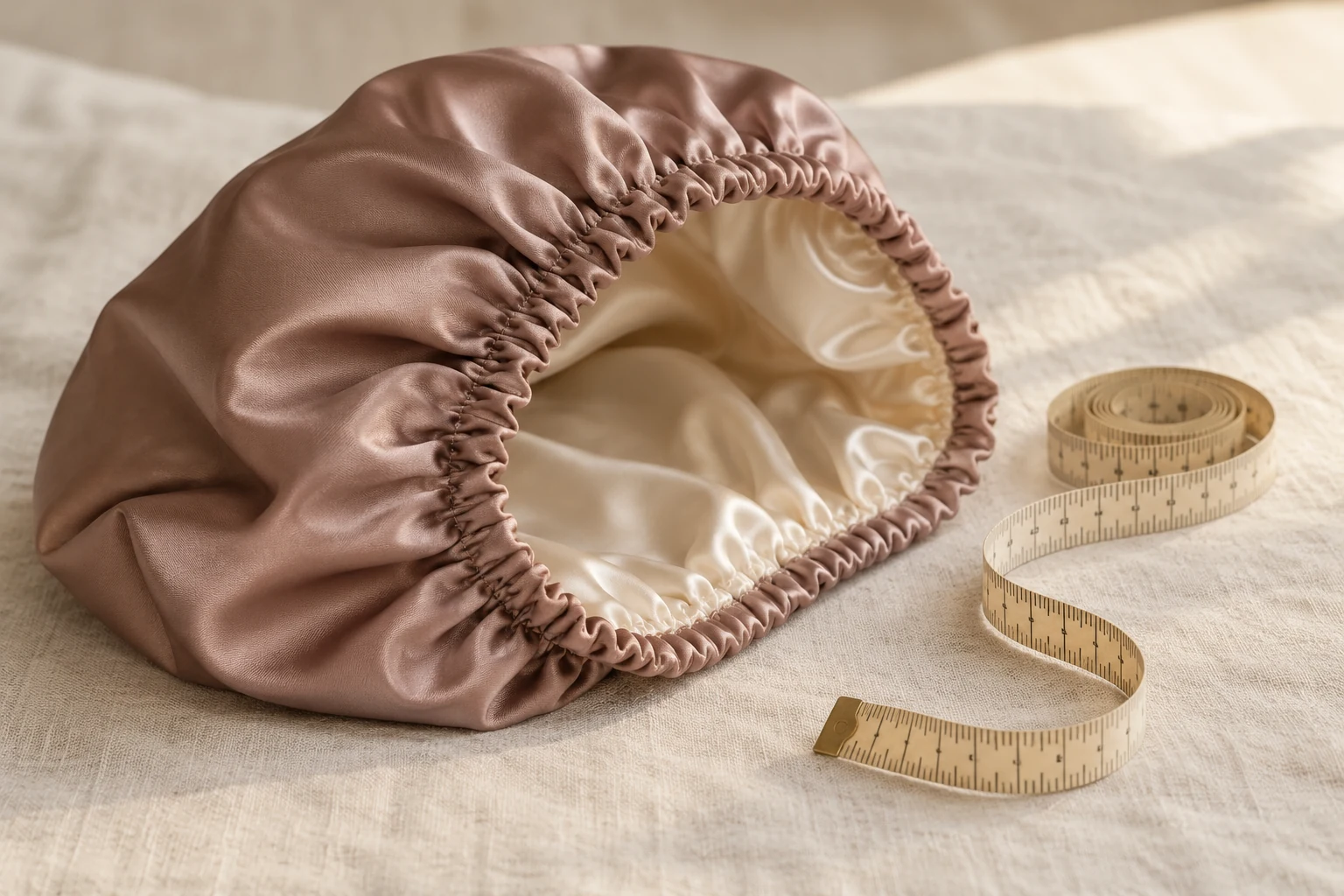
I look at the point where the item meets my body or another object. For a bonnet, I check the opening, crown space and closure placement. For a necklace, I check the resting point and clasp. For storage, I check whether I can separate the pieces I actually own. These checks give me more information than judging the overall shape alone.
I read measurements before purchase and ask about gaps. I do not treat adjustable as a guarantee of fit for everyone. An adjustment can have a limited range. A tie can sit in an uncomfortable place. A necklace extender can change the position while adding another moving component. I need to understand how the whole item works.
I observe normal use rather than a pose
I check the piece in the setting where I would use it. I move normally and notice repeated catching, pressure or slipping. I do not tighten a bonnet until it hurts just to keep it in place. I do not keep wearing jewelry that causes irritation because I like the color. A useful item needs a comfortable relationship with my routine.
I take one change at a time when I can. This helps me see whether fit, placement or the combination with another item caused the problem. I use the bonnet fit guide when I need to compare opening fit and crown room. I keep the practical observation separate from any medical question that a product cannot answer.
How does care change the value of an everyday piece?
I can choose an item without thinking about cleaning or storage. The care it needs becomes part of the purchase as soon as I start using it.
I read the care instructions before buying and compare them with the effort I can maintain. I check the material details and choose storage that suits the piece. I do not assume a color, smooth surface or daily-use description proves a particular cleaning method is safe.
I include care in the decision
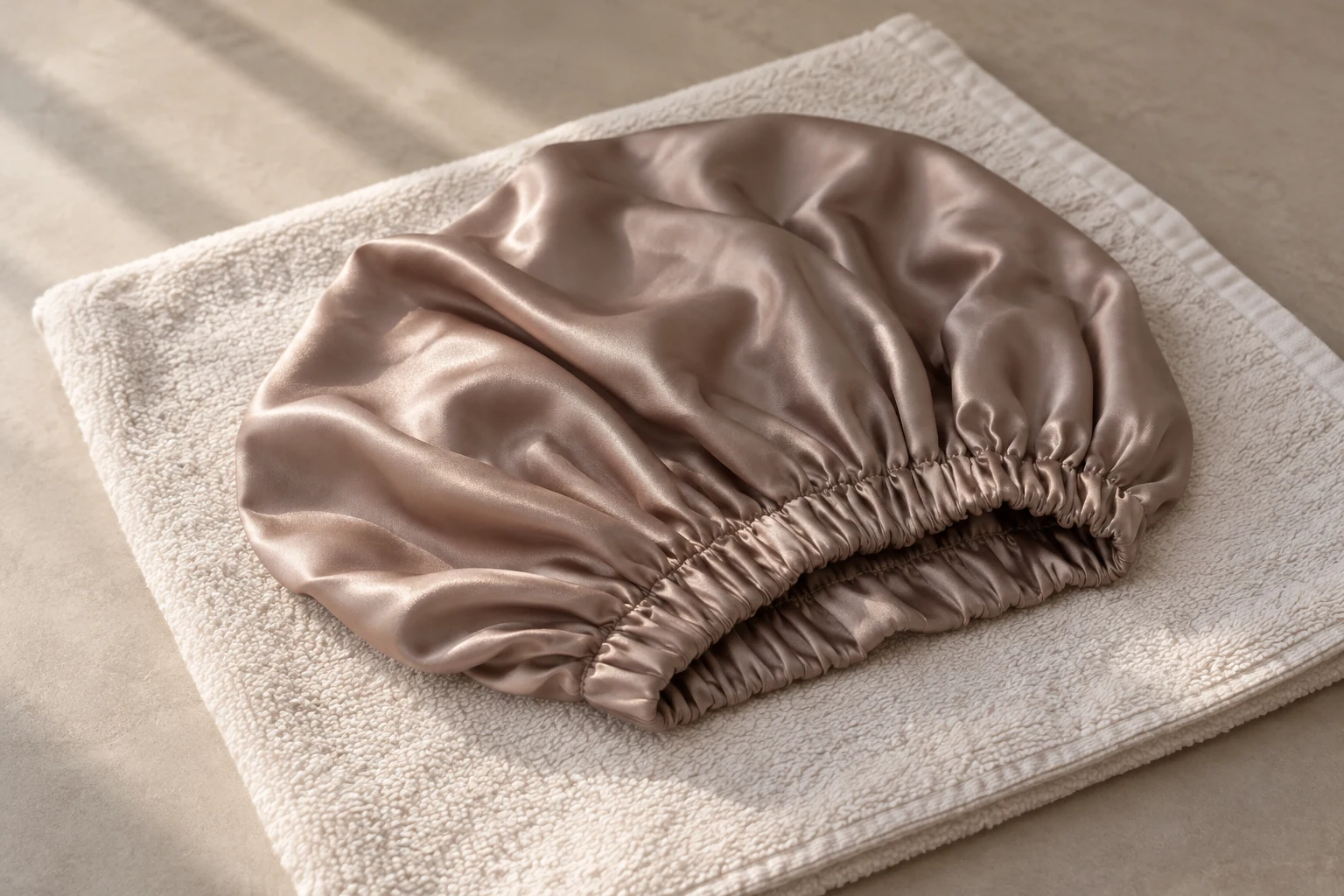
I ask where the item will go when I remove it. I ask how I will clean it and how long it may need to dry. I consider whether I have a suitable place for those steps. I can enjoy a delicate item, but I want to choose it with a realistic understanding of the routine rather than an expectation that it needs no attention.
I read the item-specific instructions first. I do not apply one silk care method to every fabric construction. I do not use one jewelry cleaner for every coating and decorative material. GIA's guidance makes material differences part of jewelry care.1 I use that principle as a reason to identify the actual components before choosing a method.
I make storage easy to repeat
I choose a simple place that suits the object's needs. I keep a clean, dry bonnet away from items that might catch it. I store necklaces separately so that loose chains do not mix. I do not need an elaborate system when a suitable pouch or compartment already gives each item a clear place.
| Care question | What I check |
|---|---|
| How will I clean it? | I read the specific instructions |
| Where will I store it? | I check separation and the material's needs |
| Can I repeat this routine? | I compare the effort with my normal week |
I also keep purchase and care information where I can find it. Clear records help me ask a useful question later instead of guessing from an old product name.
How do I judge usefulness after the first week?
I can mistake the excitement of a new item for lasting value. Repeated use gives me a clearer view of what earns a place.
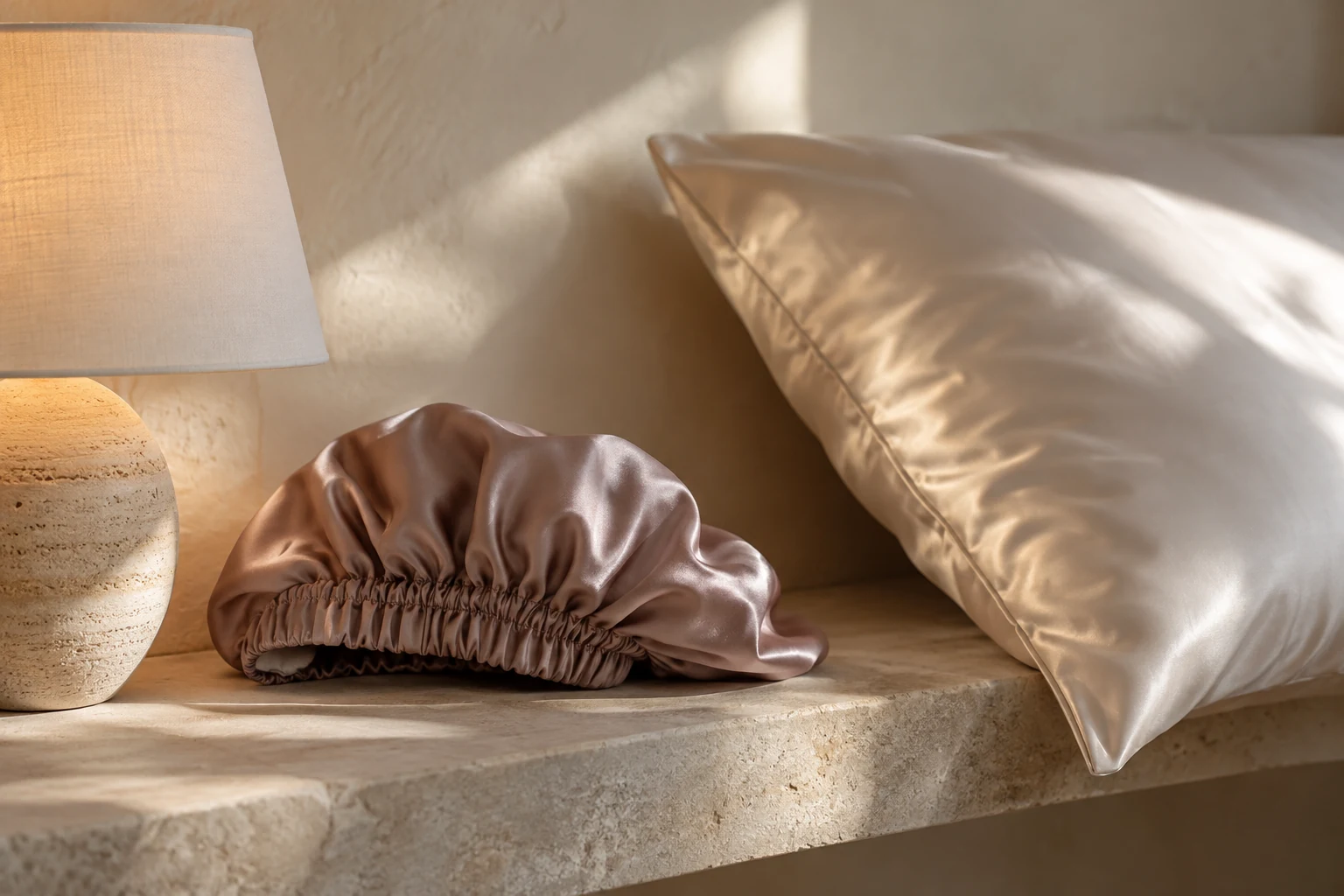
I notice when I reach for the piece, what makes me avoid it and whether its care fits my week. I compare those observations with the purpose I chose. I keep it for a useful role, not simply because I already paid for it.
I look for a pattern I can describe
I do not need a score for every object. I can notice whether I use it often enough for its intended role. A gift or an occasional necklace may not need daily use to matter. I want to know whether I reach for it when the relevant moment arrives and whether it works as I expected.
I also notice why I leave it aside. The length may not match my clothes. The care may be harder to maintain than I expected. The closure may take more effort than I want at bedtime. These observations can guide a change in use, a future purchase or a question to the seller. They do not require me to blame myself for a poor match.
I keep purchase decisions separate from pressure
I read the return policy before ordering, as the FTC's shopping guidance recommends.2 I do not wait until a problem appears to discover the relevant deadlines and conditions. I keep the description and order details so that I can explain what I expected if I need help.
I return to choosing without overbuying when too many options make the decision less clear. I can enjoy personal style while choosing fewer pieces with defined roles. I let repeated use show me which details matter most, and I bring those observations into the next decision rather than collecting more items with the same unresolved problem.
Conclusion
I give everyday pieces a lasting place through purpose, comfortable fit and realistic care. I let repeated use guide my choices and leave room for personal style.
- GIA: Tips for Caring for Your Jewelry, a material-specific care reference. ↩
- FTC: Online Shopping, guidance on product comparisons, records and return policies. ↩
Images are AI-generated editorial illustrations. They do not identify or verify a specific product.